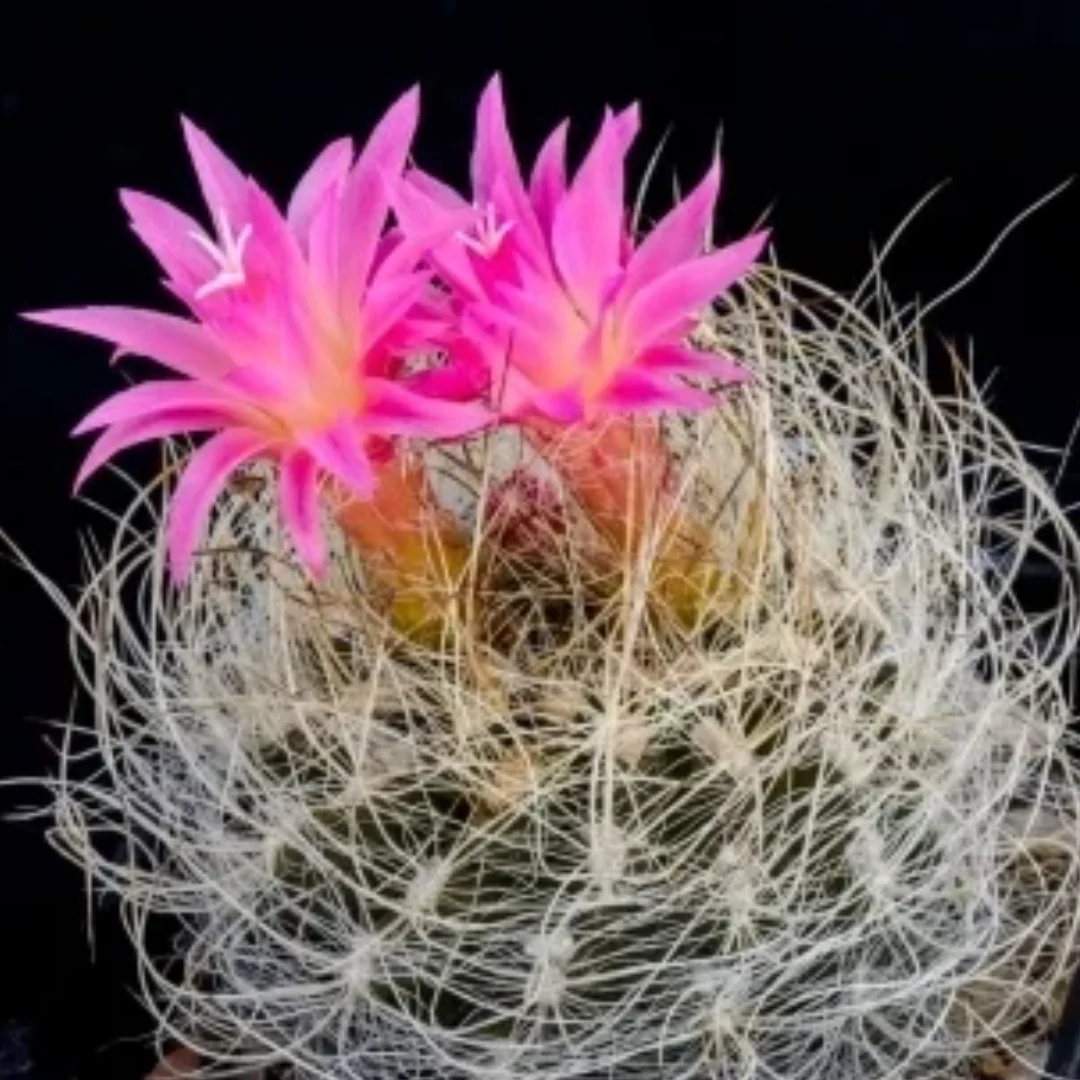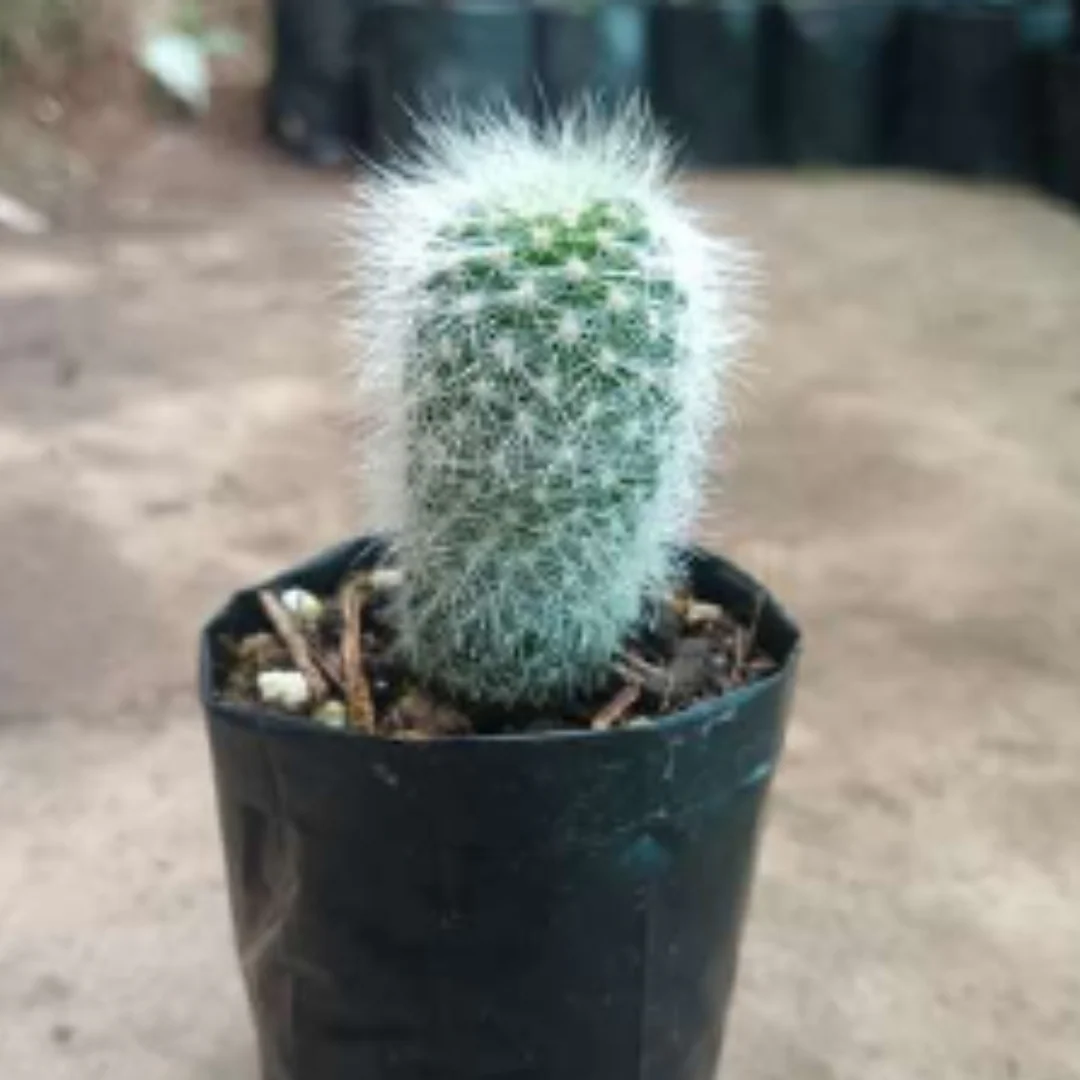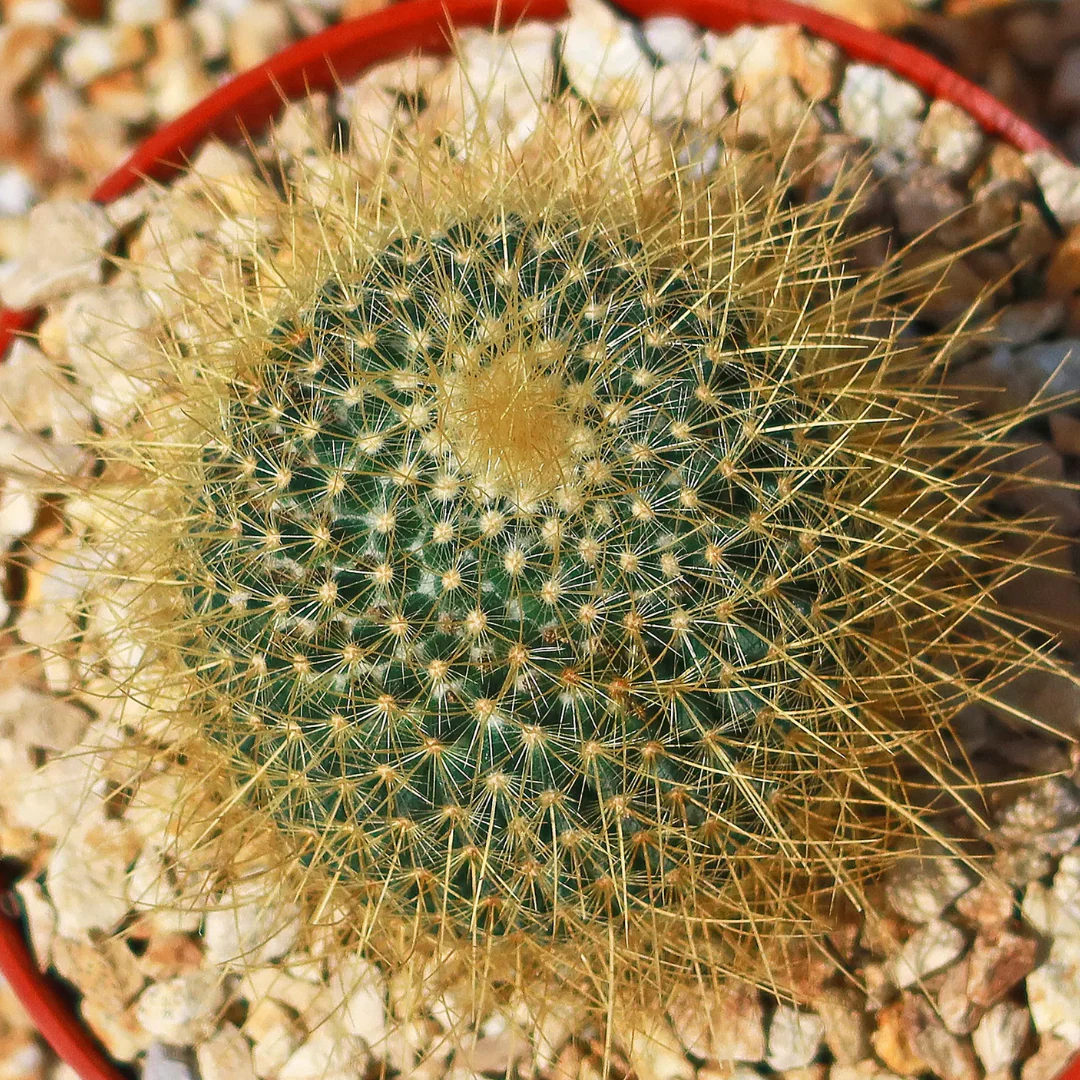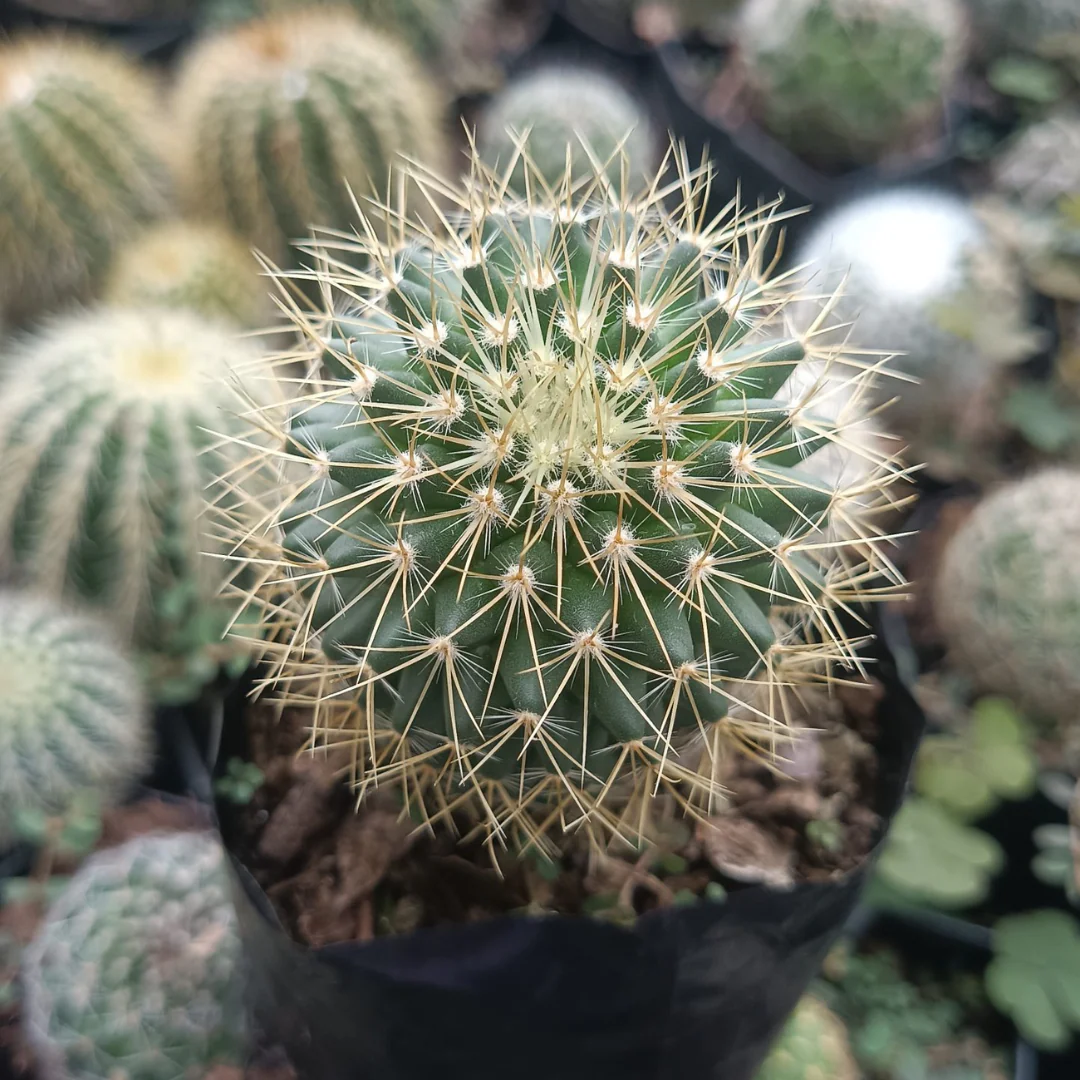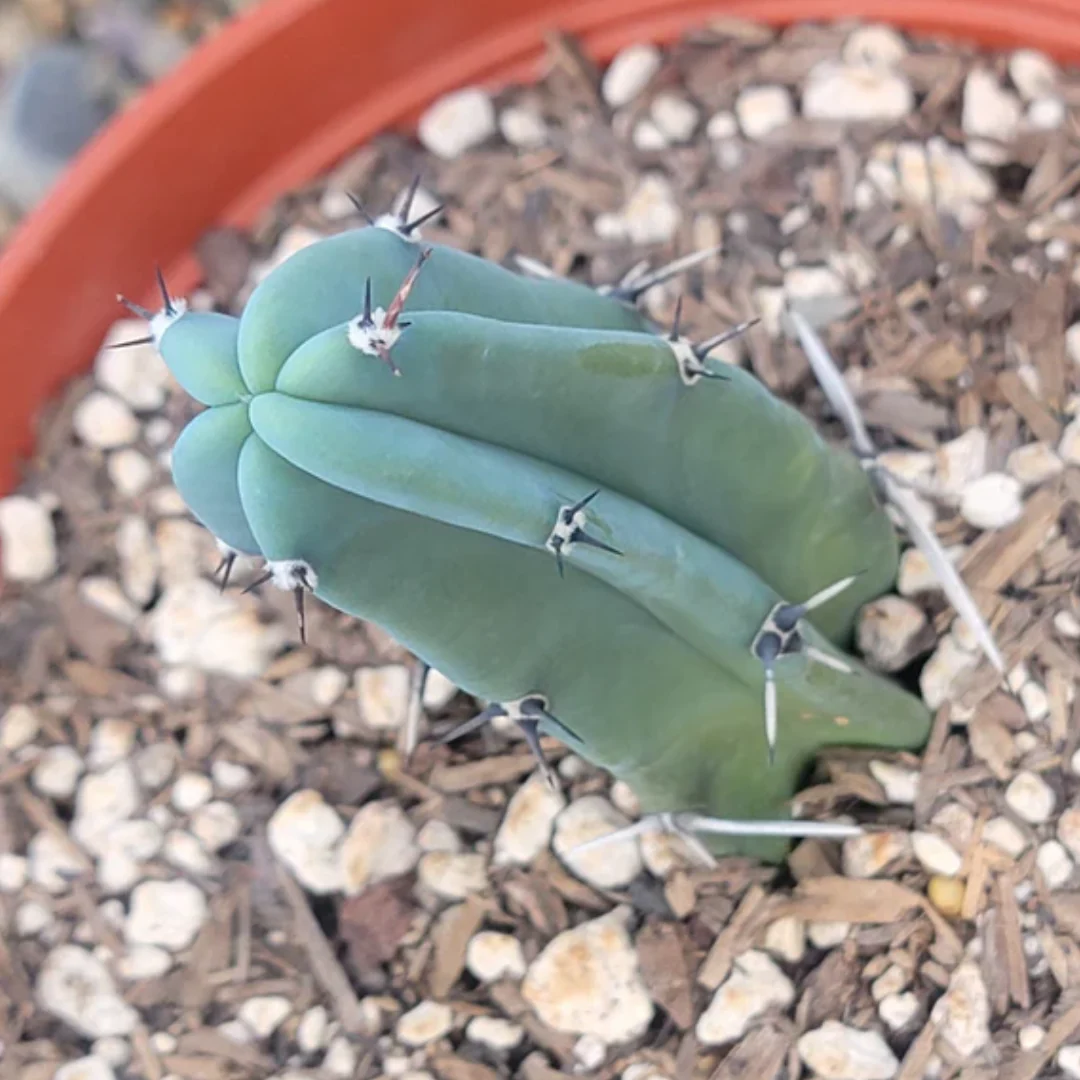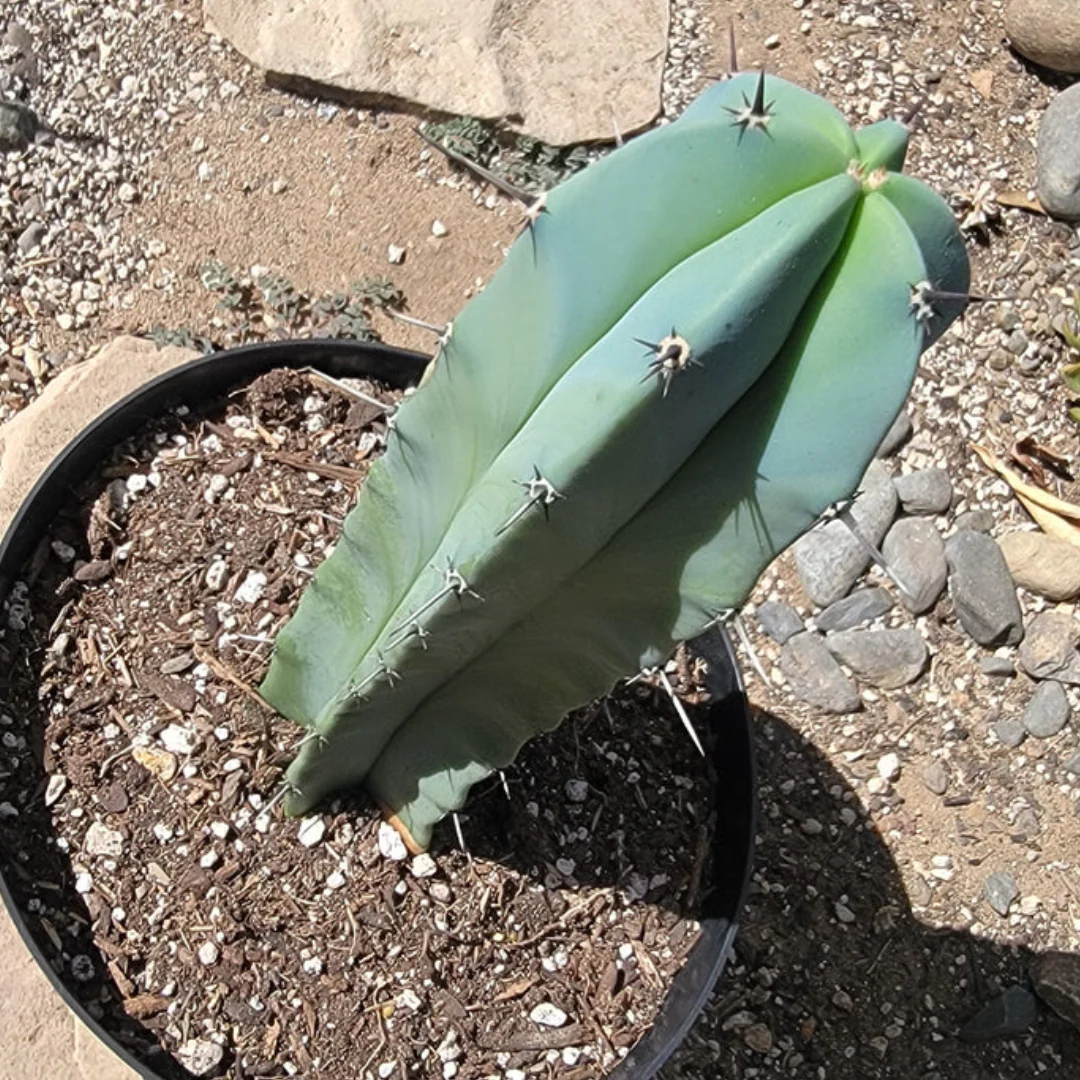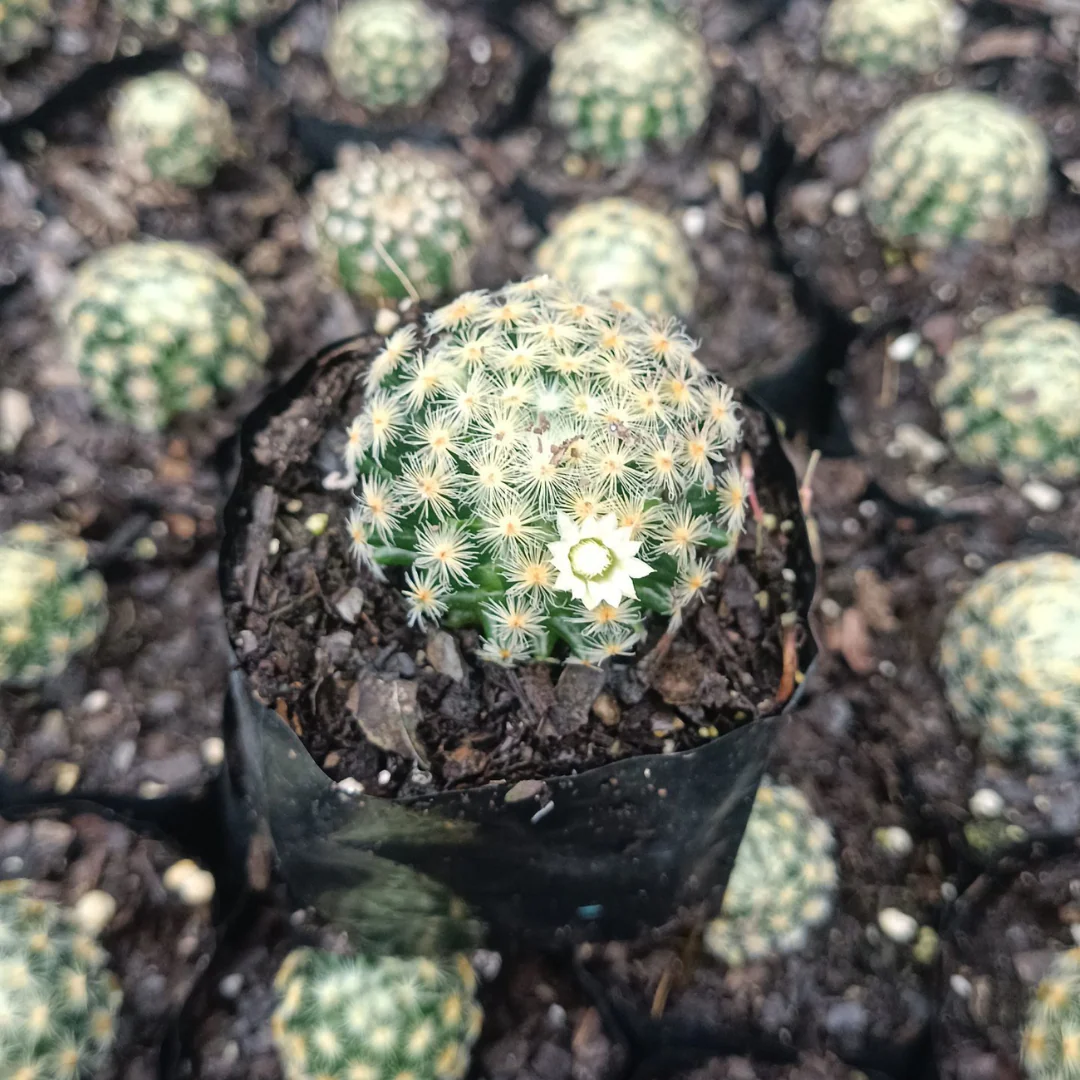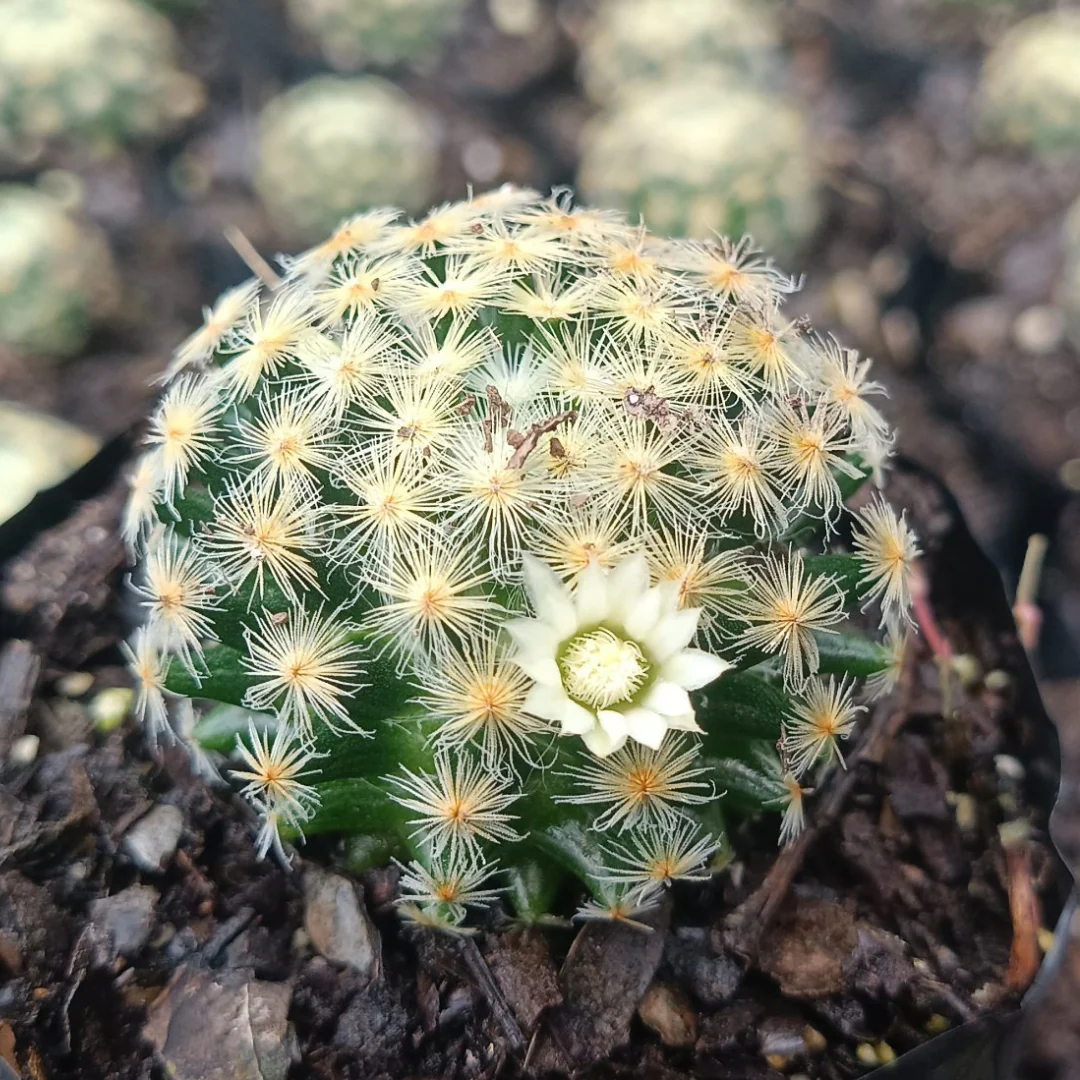
Coryphantha or Beehive Cactus
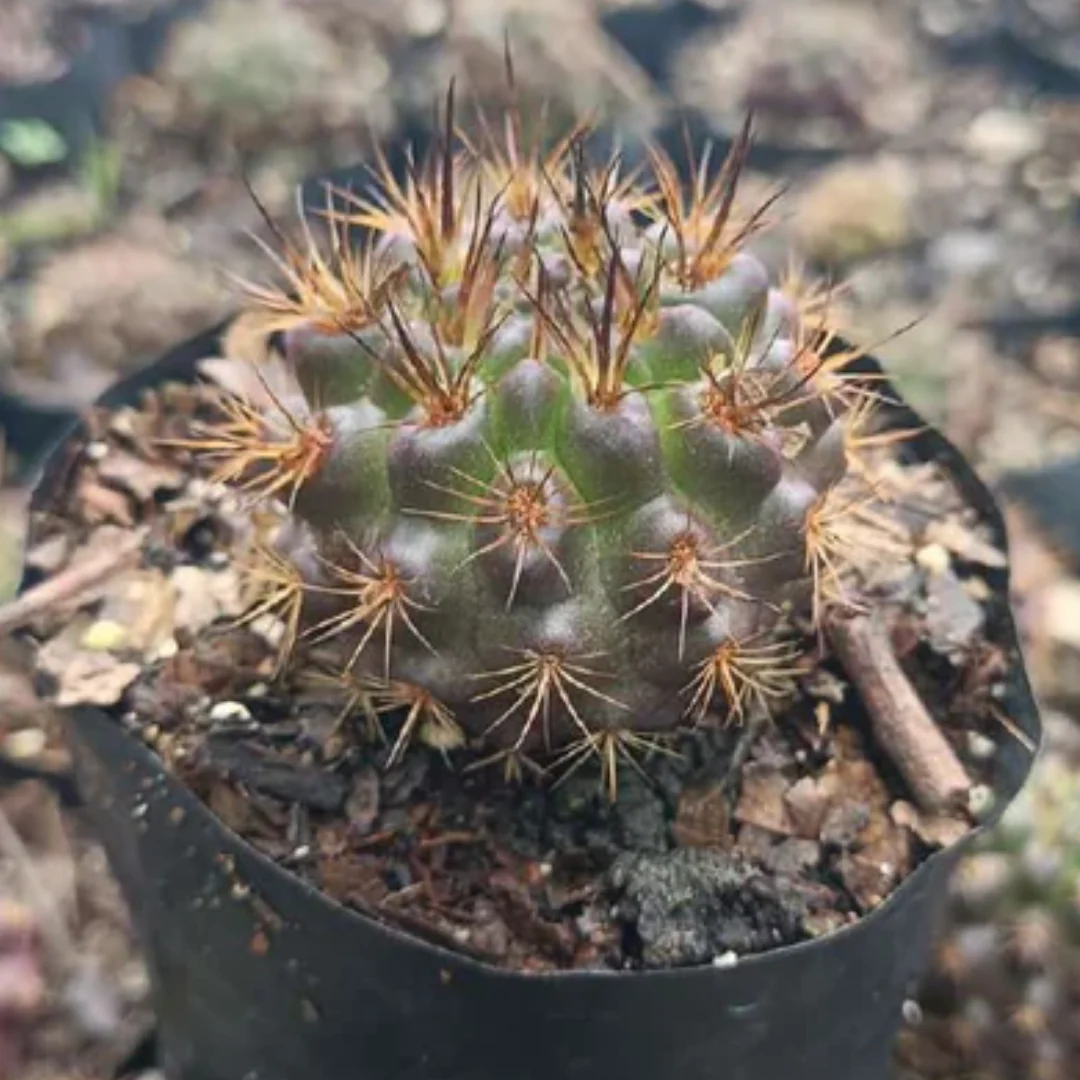
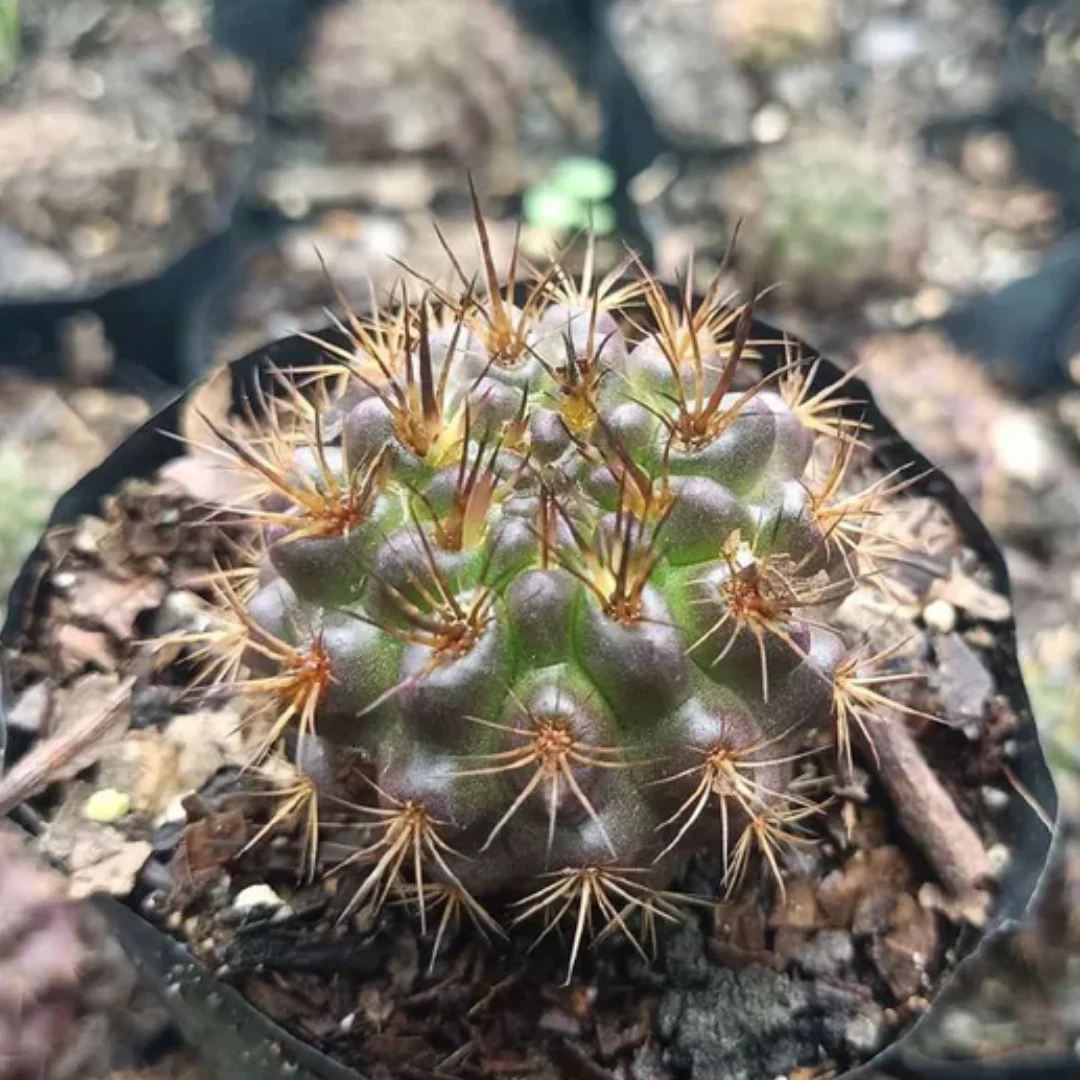
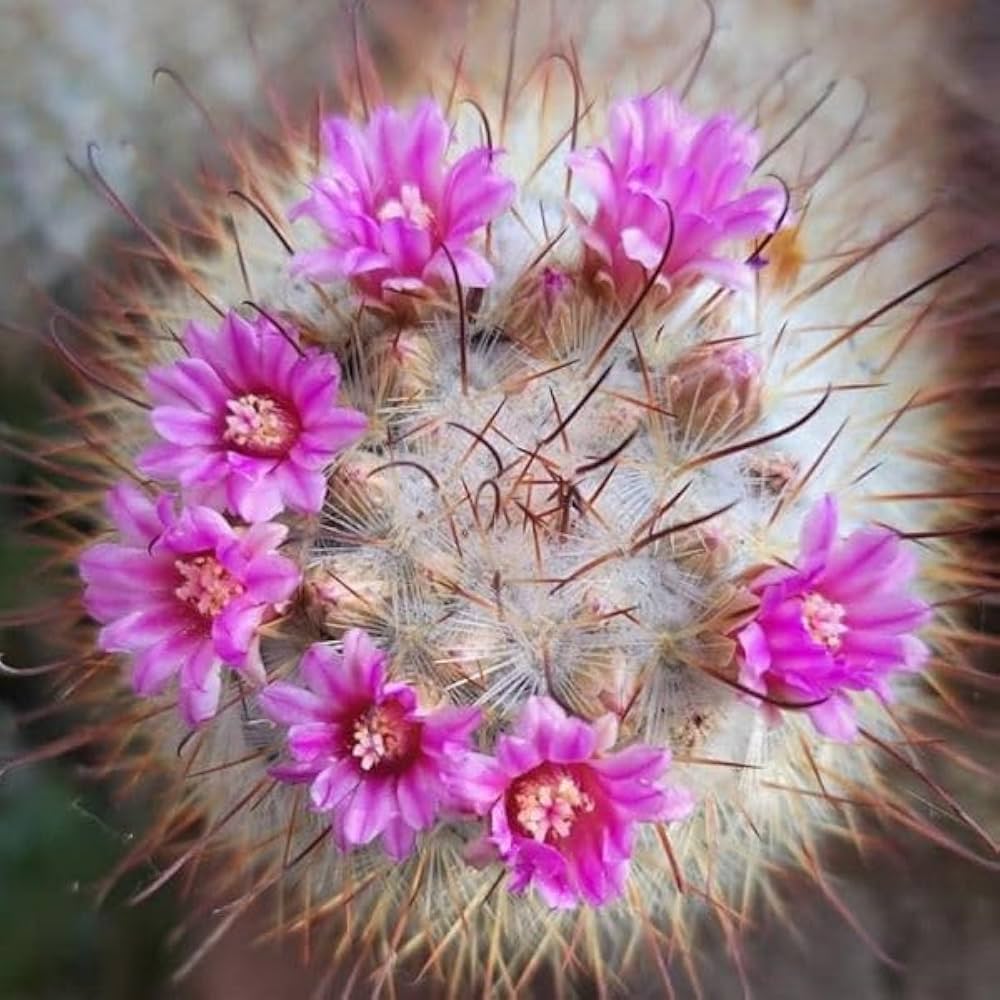
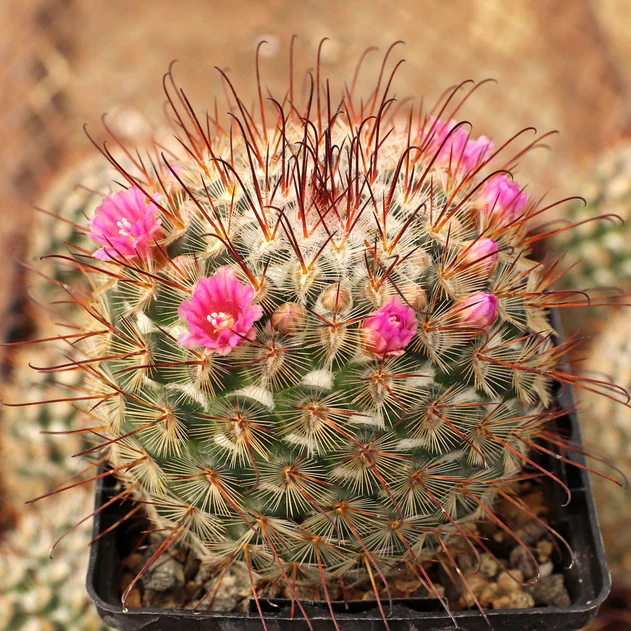
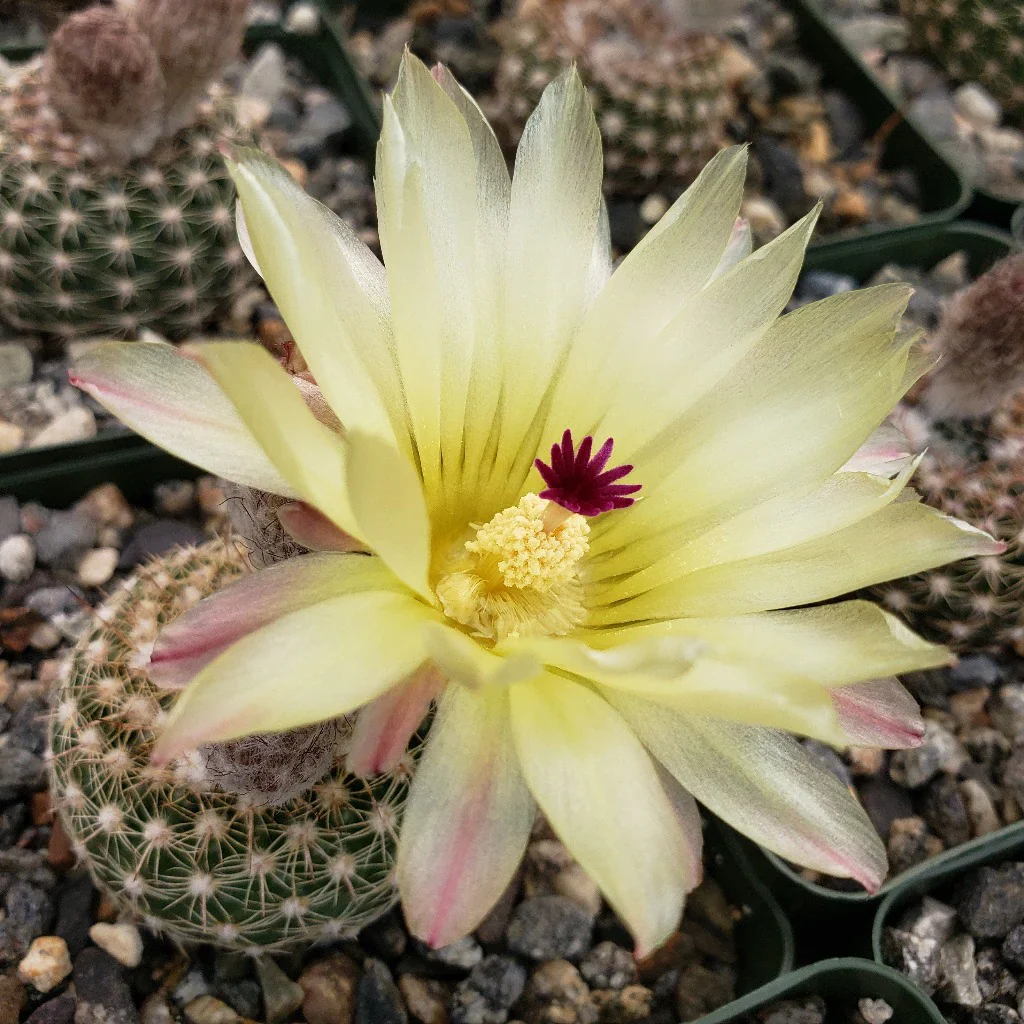
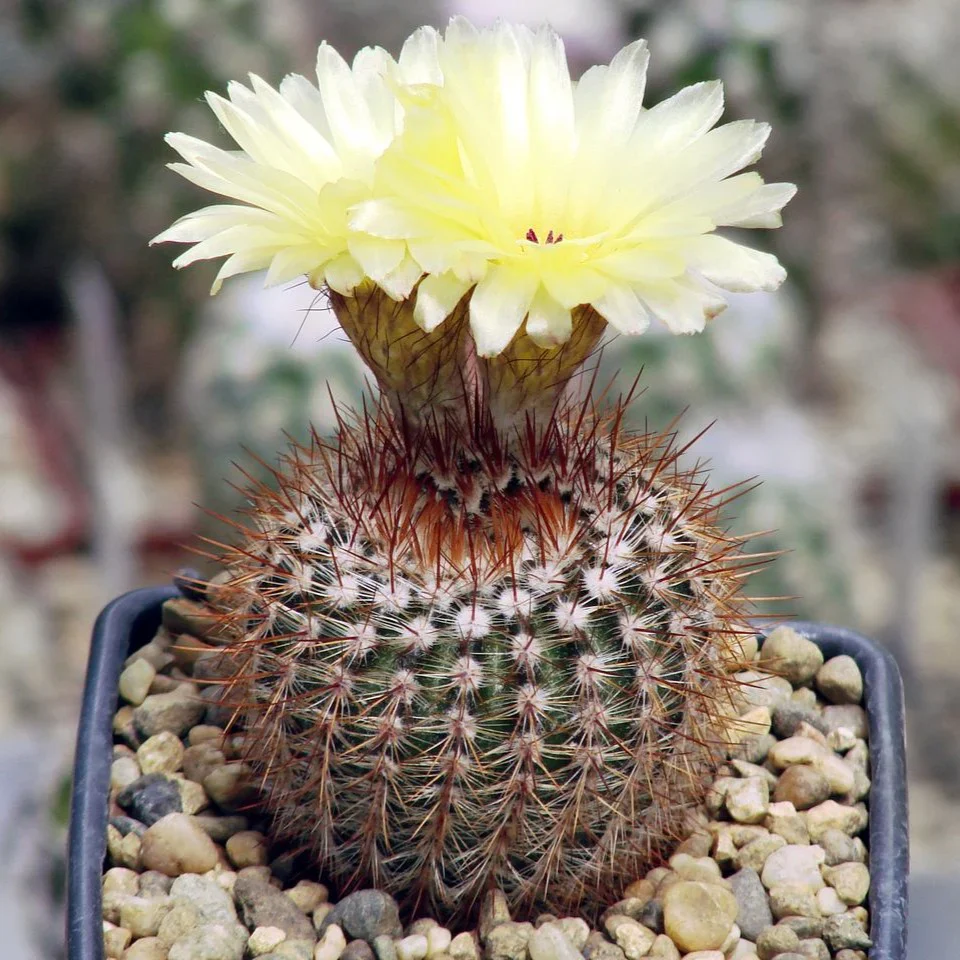
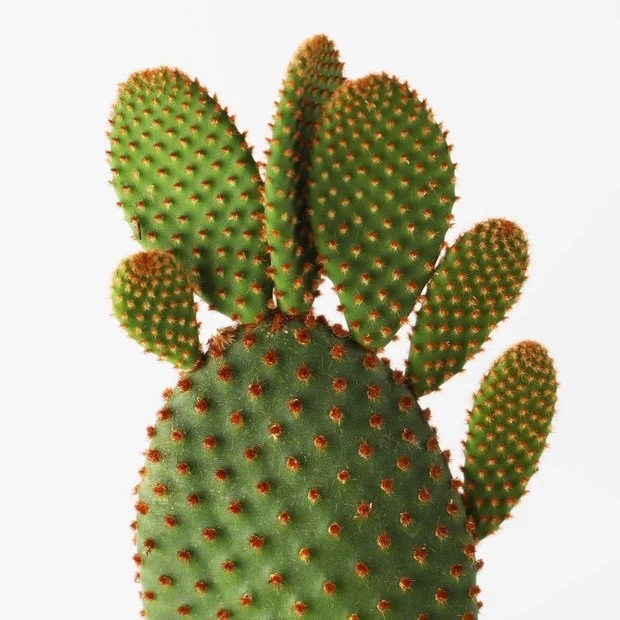
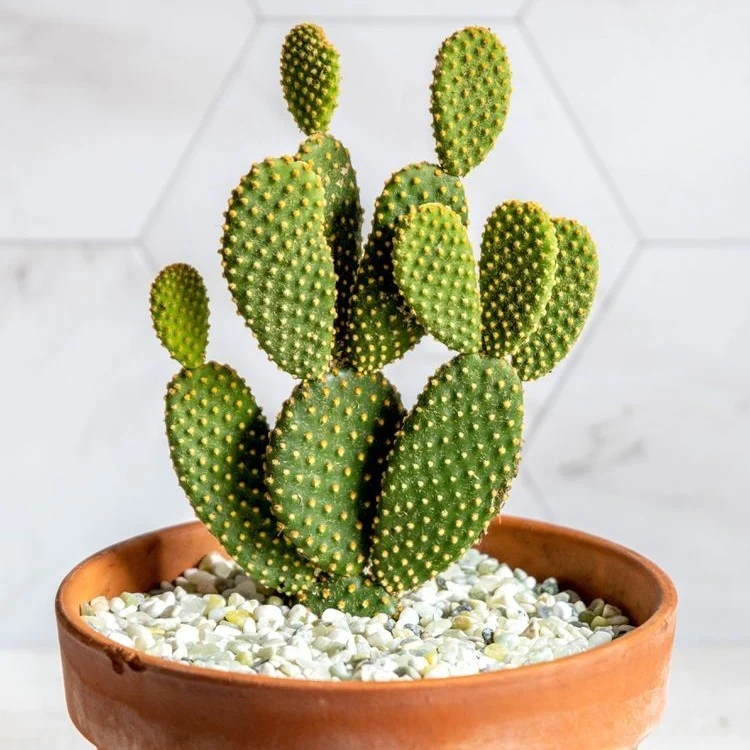
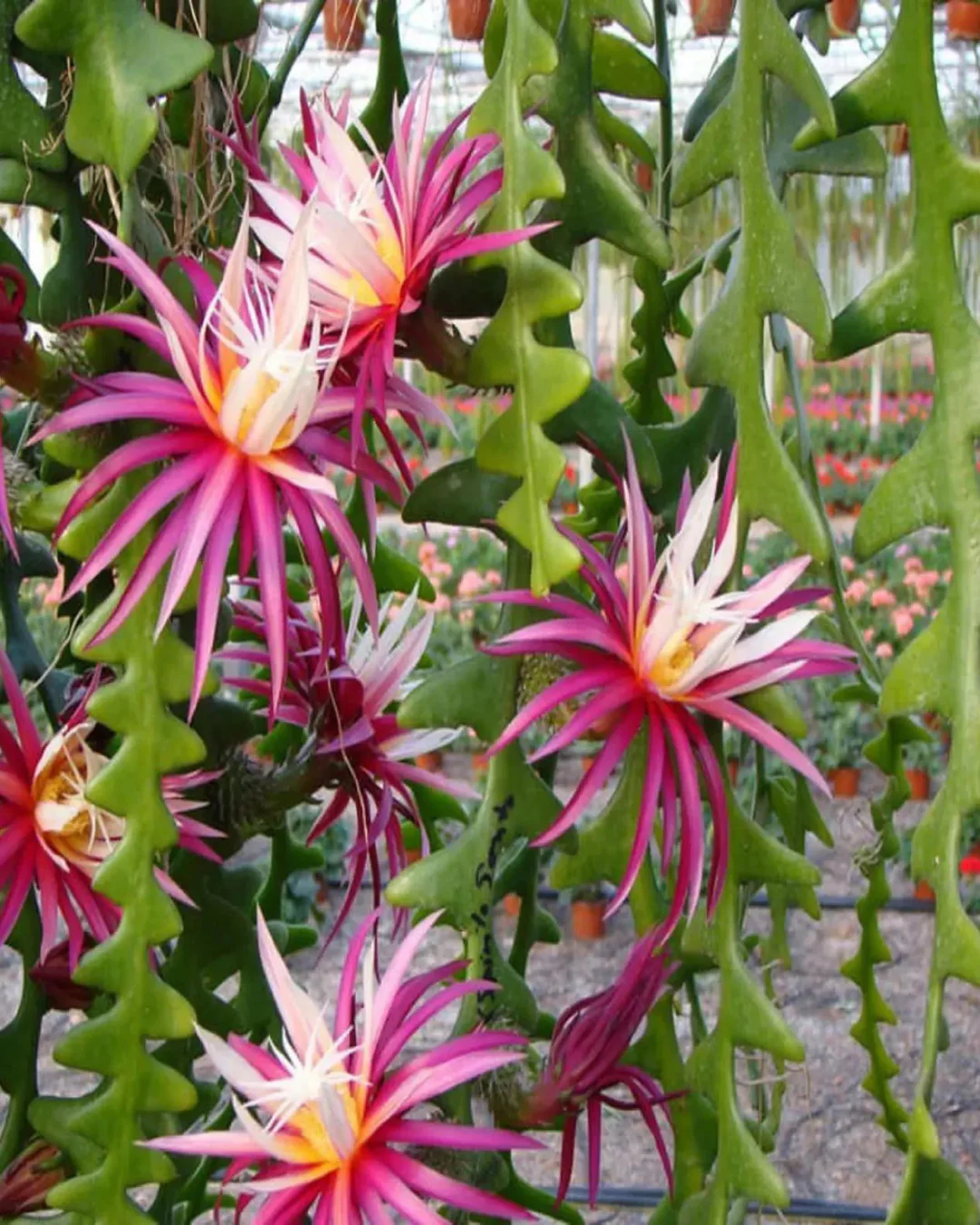
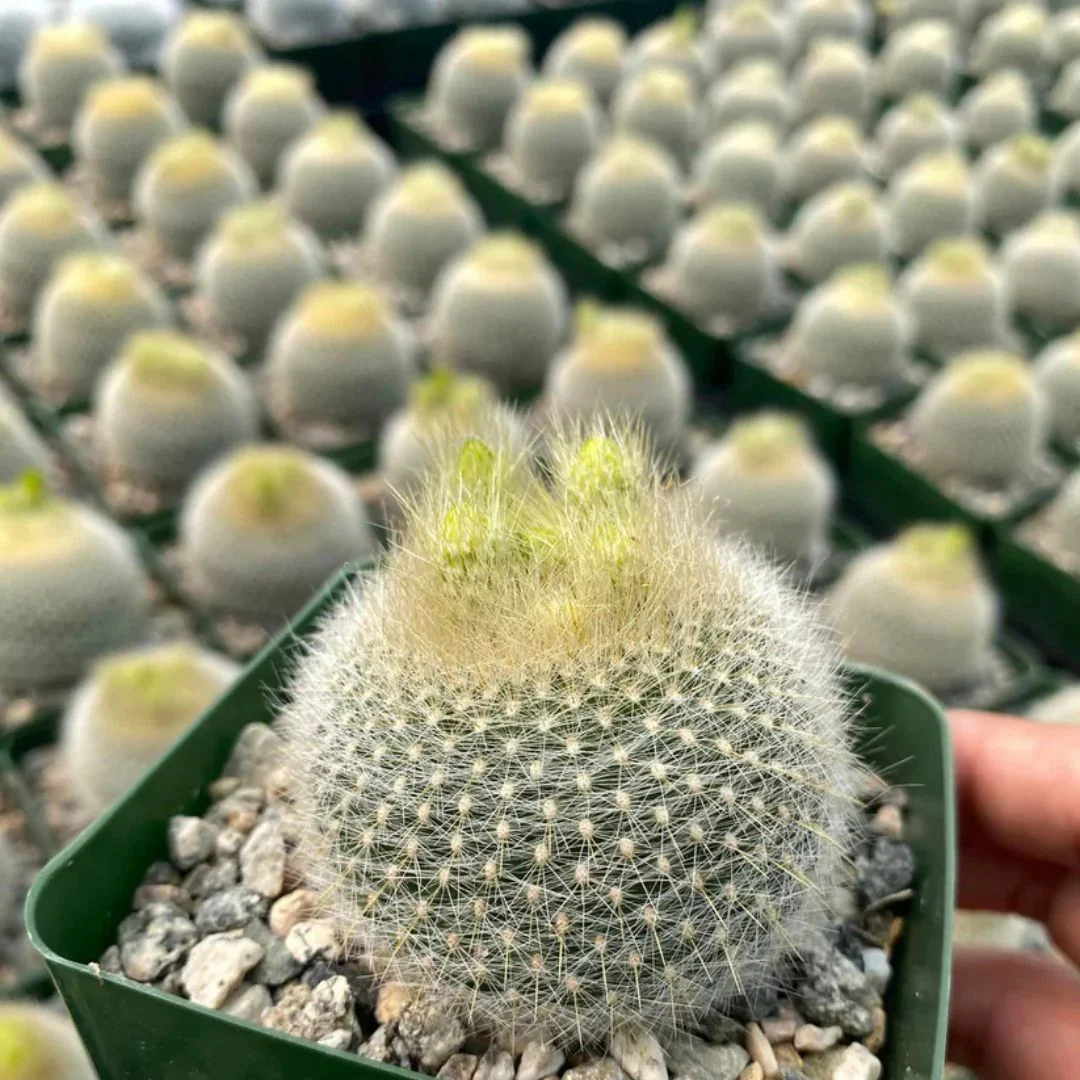
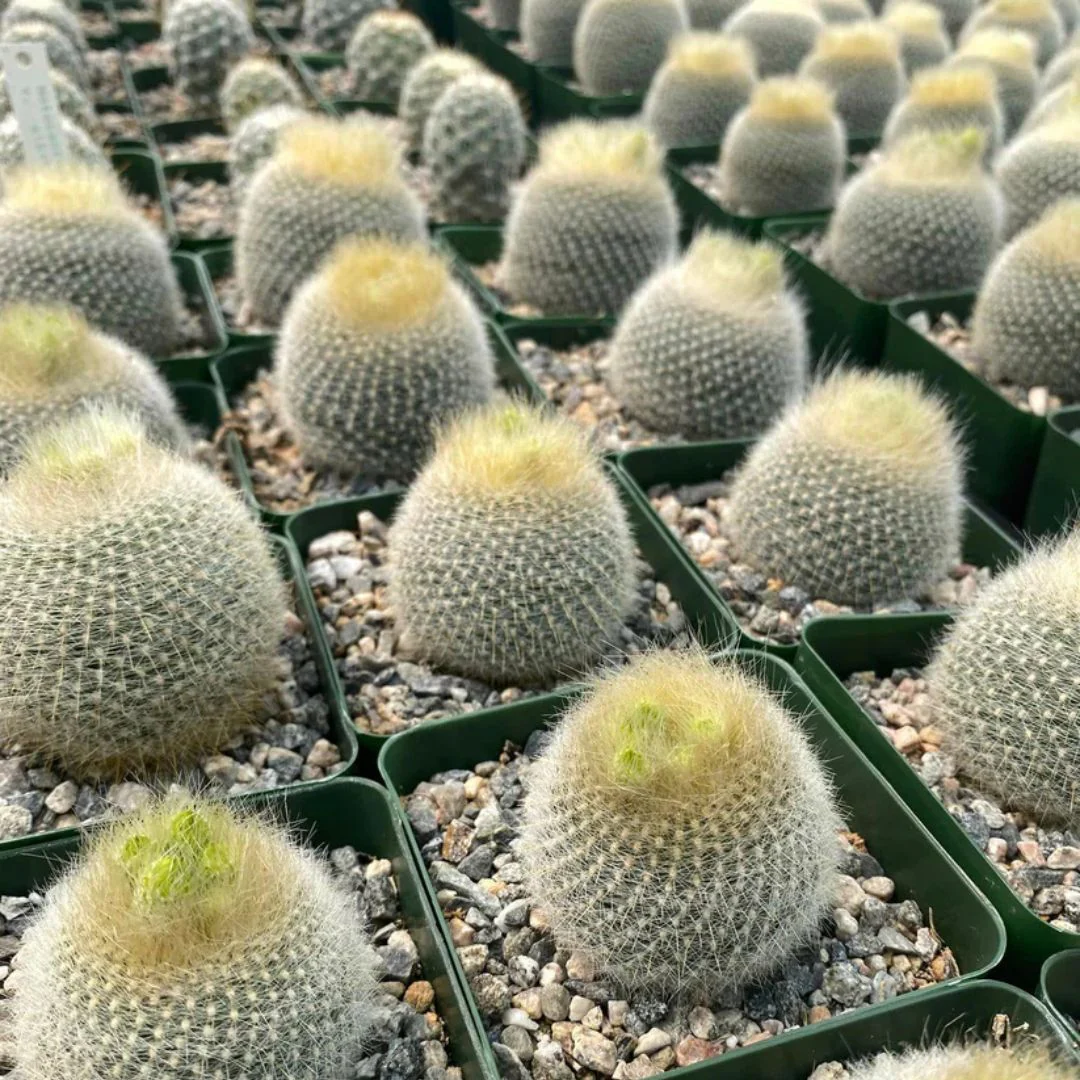
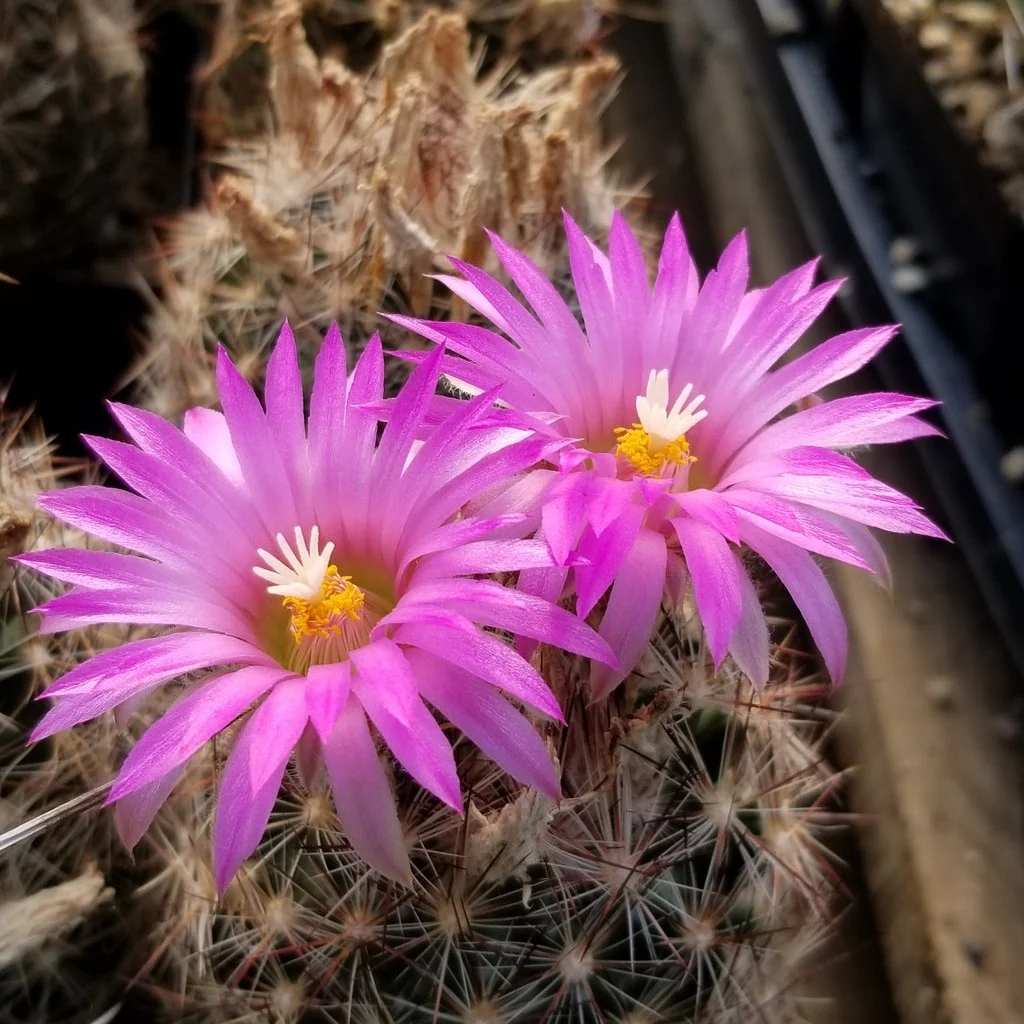
Coryphantha, belonging to the Cactaceae family, is renowned for its distinctive beehive-like appearance and vibrant flowers. Native to the arid regions of North and Central America, Coryphantha species thrive in dry, well-drained soils and are excellent choices for xeriscaping projects and desert-themed gardens.
Coryphantha Care Tips:
1. Light Requirements
- Sunlight: Coryphantha thrives in bright, indirect sunlight. Place your Beehive Cactus near a south or west-facing window indoors, ensuring it receives ample sunlight.
- Outdoor Placement: If grown outdoors, choose a location with partial sunlight to prevent scorching during intense afternoon sun.
2. Soil and Potting:
- Well-Draining Soil: Use a specialized cactus or succulent potting mix with excellent drainage properties to prevent waterlogging.
- Terracotta Pots: Opt for terracotta pots with drainage holes to promote airflow and prevent root rot.
3. Watering:
- Moderate Watering: Water Coryphantha sparingly, allowing the soil to dry out completely between watering sessions.
- Seasonal Adjustments: Reduce watering frequency during the winter months when Coryphantha enters dormancy.
4. Temperature and Humidity:
- Ideal Temperature: Coryphantha prefers warm temperatures ranging between 70°F to 90°F (21°C to 32°C) during the growing season.
- Low Humidity: These desert natives thrive in low humidity environments, making them suitable for dry climates and indoor settings.
5. Fertilization:
- Balanced Fertilizer: Feed Coryphantha with a diluted, balanced cactus fertilizer during the growing season (spring and summer) to encourage healthy growth and blooming.
6. Pest and Disease Management:
- Inspect Regularly: Check your Beehive Cactus regularly for signs of pests such as mealybugs and scale insects. Treat infestations promptly with natural or chemical remedies.
- Prevent Overwatering: Avoid overwatering to prevent root rot and fungal diseases.
7. Pruning and Maintenance:
- Minimal Pruning: Coryphantha typically requires minimal pruning. Remove dead or damaged stems using sanitized pruning shears to maintain plant health and aesthetics.
What do you get ?
Soil Mixture - Succulent Mix
Colour - Green
Special Feature - Air Purification
Sunlight Exposure - Partial Sunlight
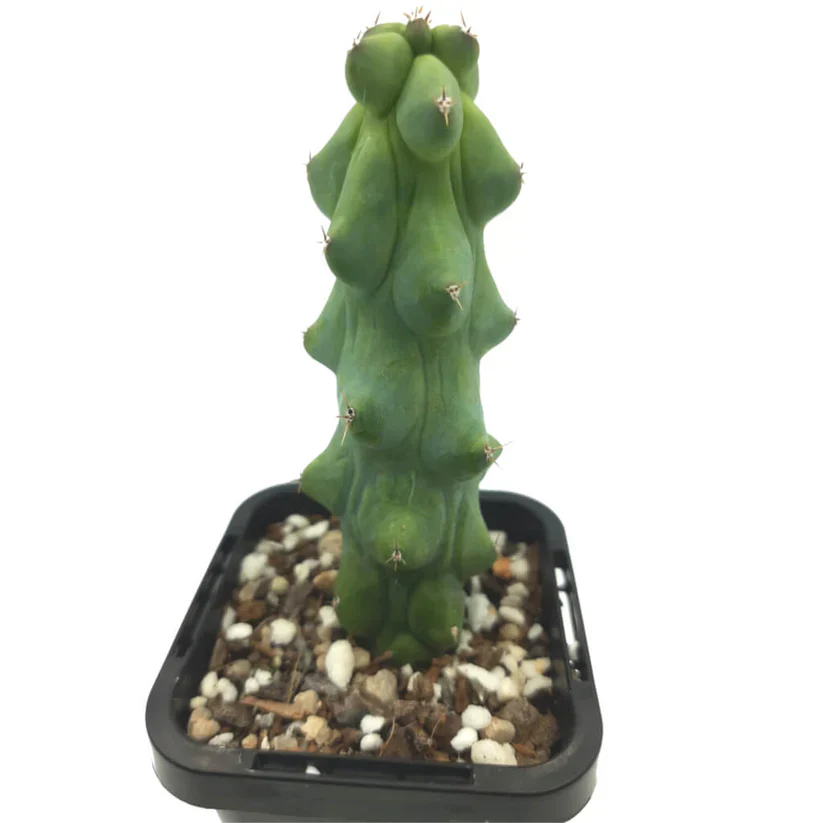
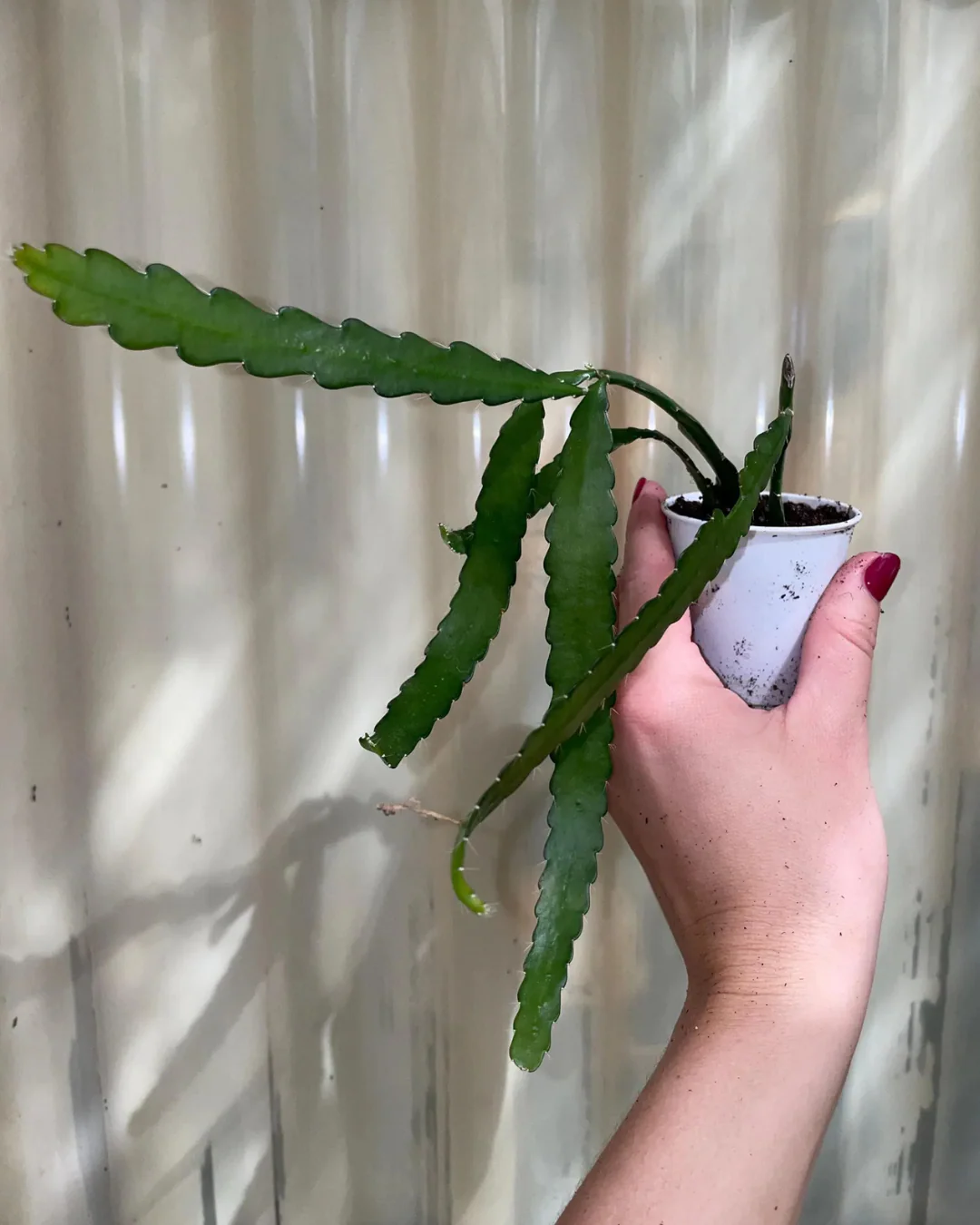
Size - plant will come in 3 inches pot
Product Information
Product Information
Shipping & Returns
Shipping & Returns
Description
Coryphantha, belonging to the Cactaceae family, is renowned for its distinctive beehive-like appearance and vibrant flowers. Native to the arid regions of North and Central America, Coryphantha species thrive in dry, well-drained soils and are excellent choices for xeriscaping projects and desert-themed gardens.
Coryphantha Care Tips:
1. Light Requirements
- Sunlight: Coryphantha thrives in bright, indirect sunlight. Place your Beehive Cactus near a south or west-facing window indoors, ensuring it receives ample sunlight.
- Outdoor Placement: If grown outdoors, choose a location with partial sunlight to prevent scorching during intense afternoon sun.
2. Soil and Potting:
- Well-Draining Soil: Use a specialized cactus or succulent potting mix with excellent drainage properties to prevent waterlogging.
- Terracotta Pots: Opt for terracotta pots with drainage holes to promote airflow and prevent root rot.
3. Watering:
- Moderate Watering: Water Coryphantha sparingly, allowing the soil to dry out completely between watering sessions.
- Seasonal Adjustments: Reduce watering frequency during the winter months when Coryphantha enters dormancy.
4. Temperature and Humidity:
- Ideal Temperature: Coryphantha prefers warm temperatures ranging between 70°F to 90°F (21°C to 32°C) during the growing season.
- Low Humidity: These desert natives thrive in low humidity environments, making them suitable for dry climates and indoor settings.
5. Fertilization:
- Balanced Fertilizer: Feed Coryphantha with a diluted, balanced cactus fertilizer during the growing season (spring and summer) to encourage healthy growth and blooming.
6. Pest and Disease Management:
- Inspect Regularly: Check your Beehive Cactus regularly for signs of pests such as mealybugs and scale insects. Treat infestations promptly with natural or chemical remedies.
- Prevent Overwatering: Avoid overwatering to prevent root rot and fungal diseases.
7. Pruning and Maintenance:
- Minimal Pruning: Coryphantha typically requires minimal pruning. Remove dead or damaged stems using sanitized pruning shears to maintain plant health and aesthetics.
What do you get ?
Soil Mixture - Succulent Mix
Colour - Green
Special Feature - Air Purification
Sunlight Exposure - Partial Sunlight
Size - plant will come in 3 inches pot