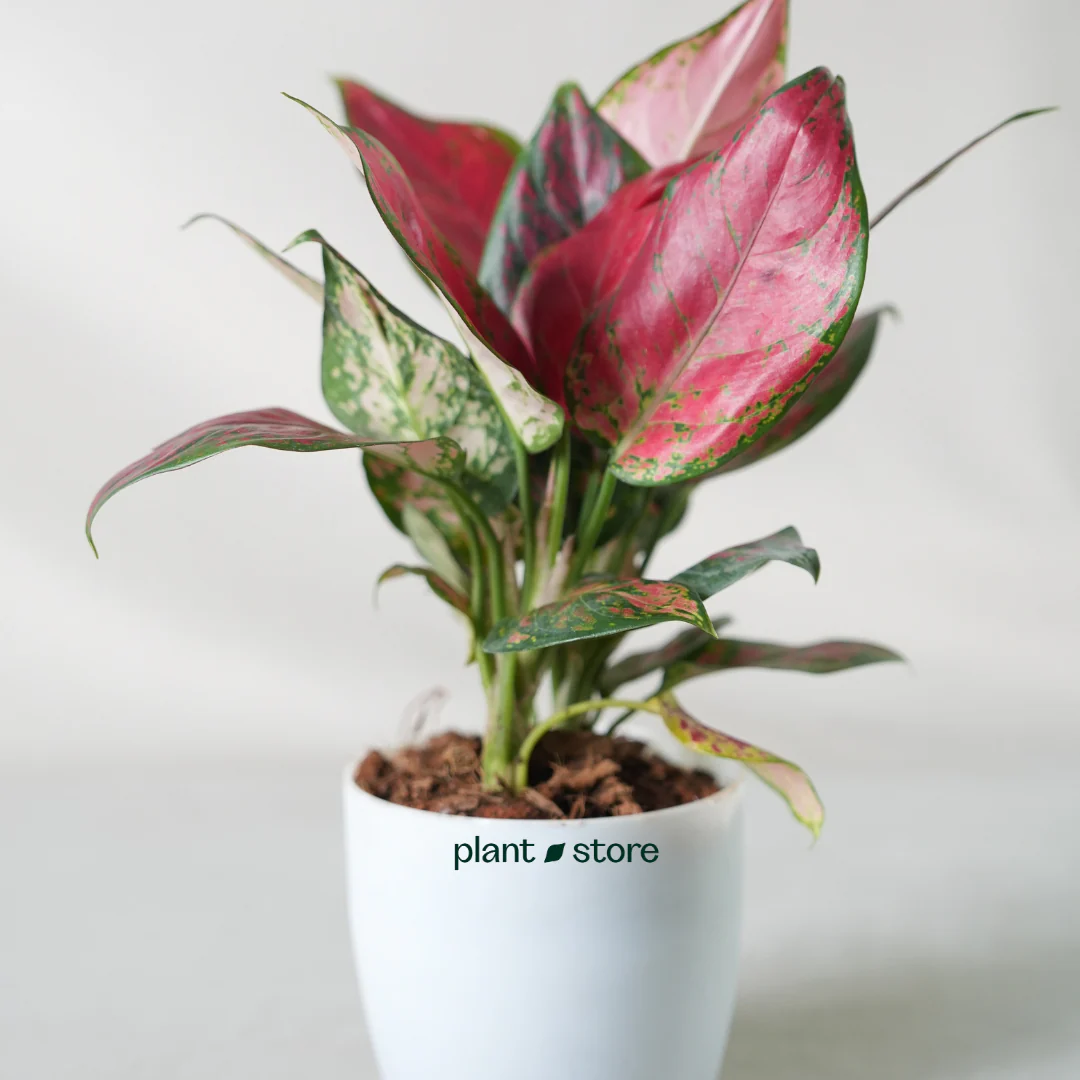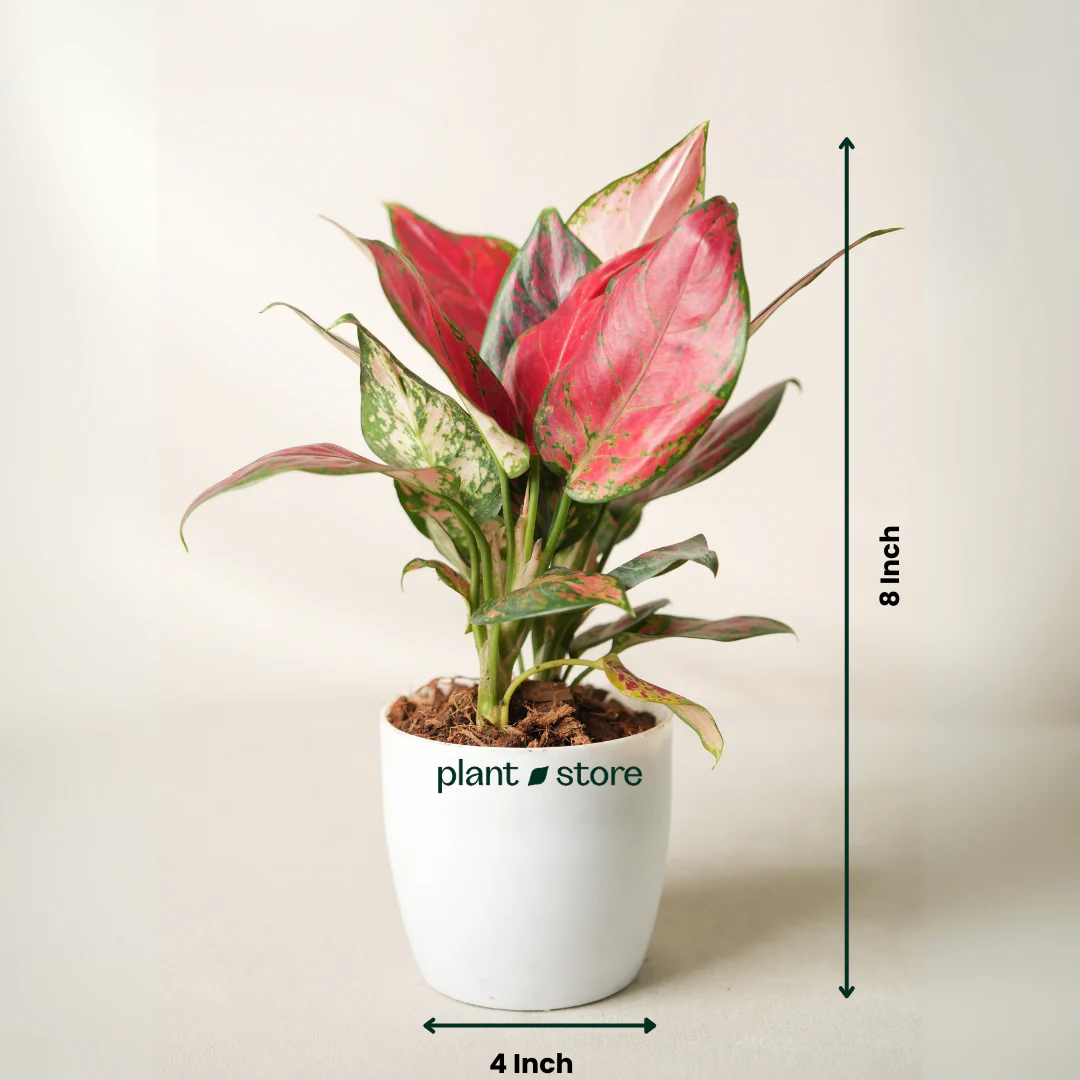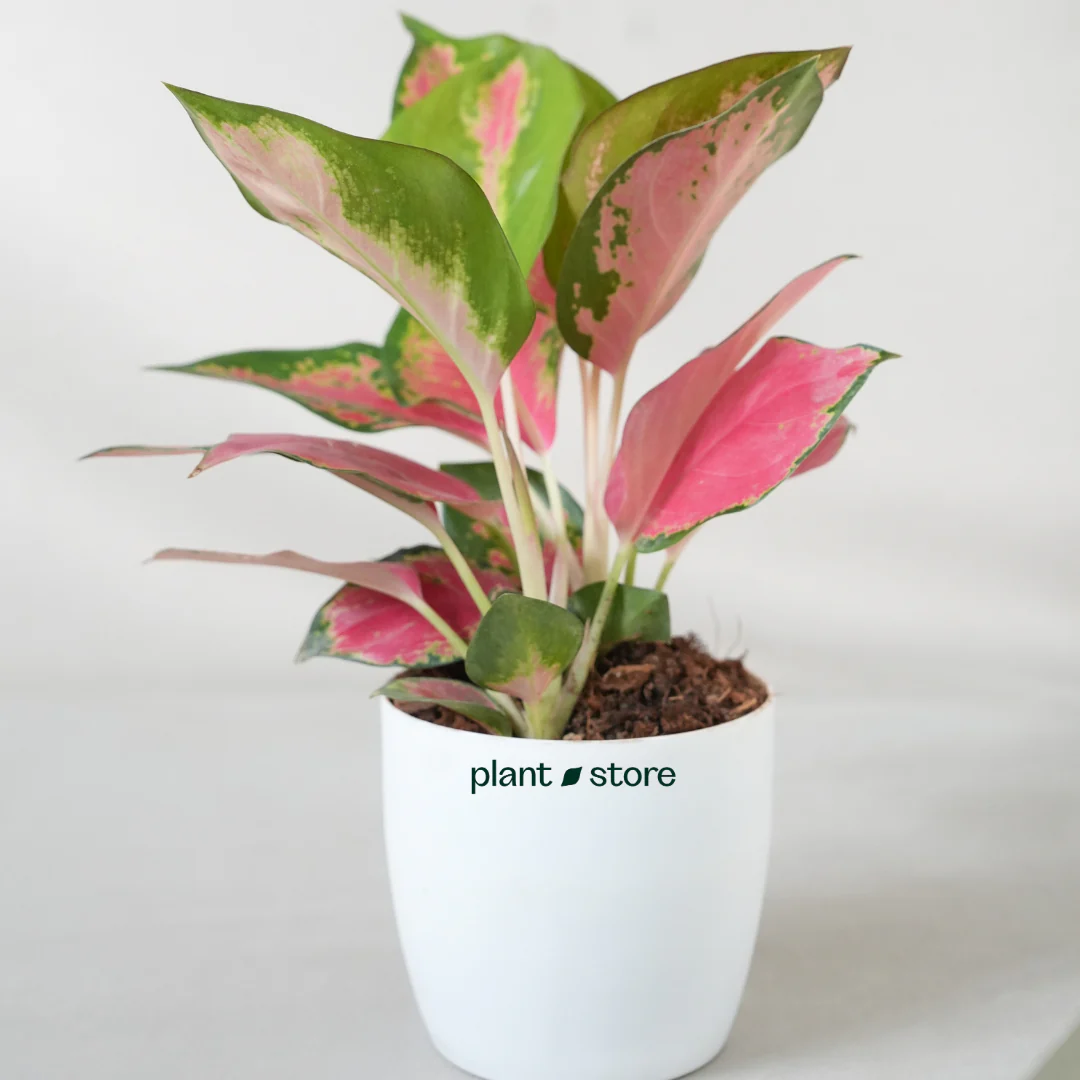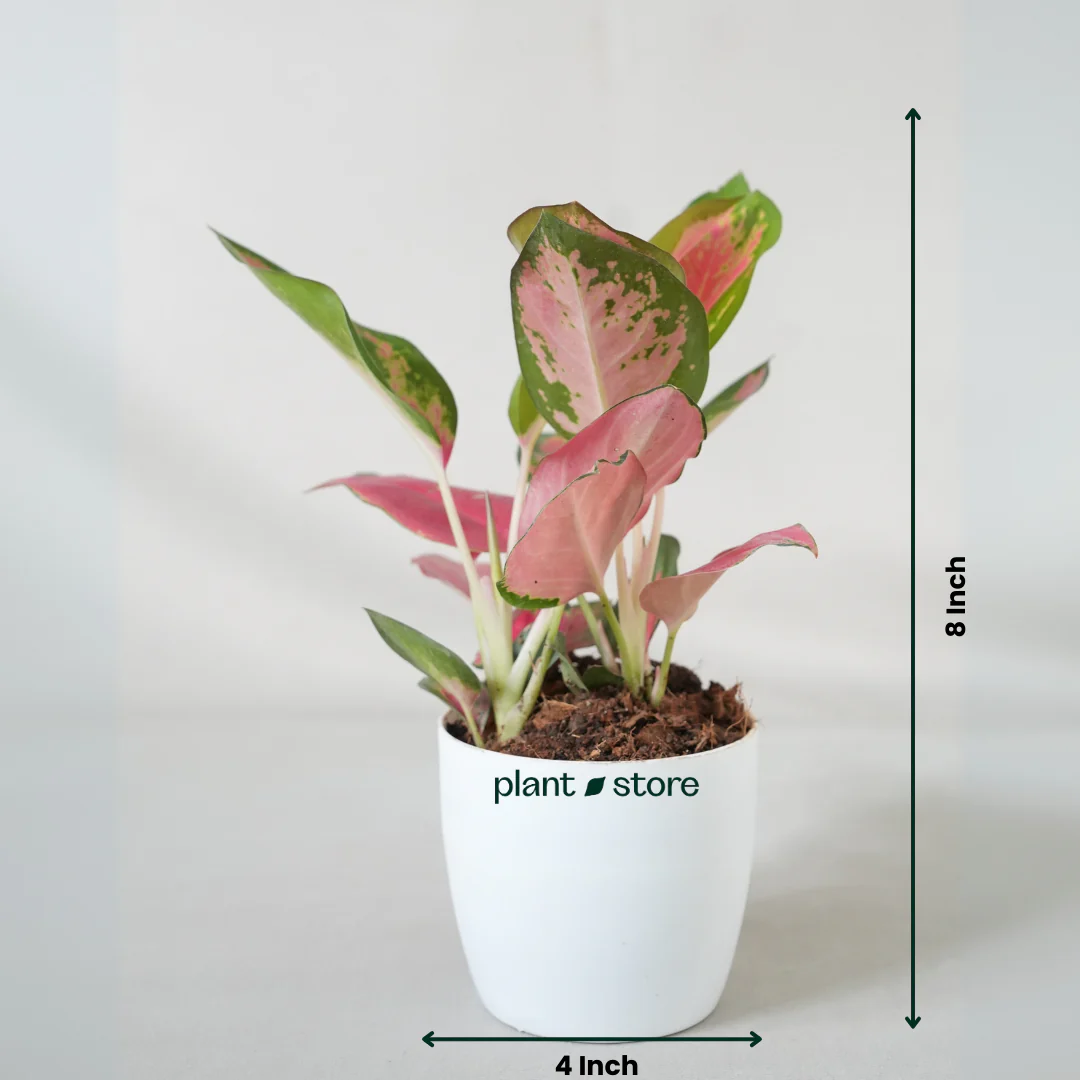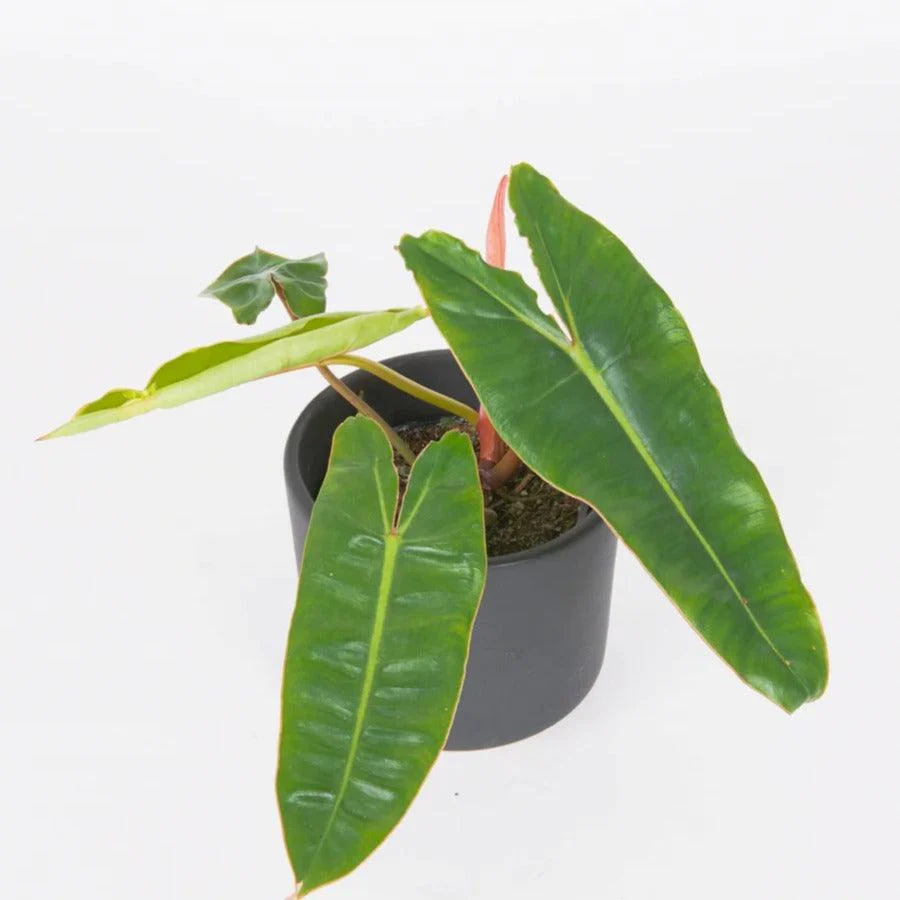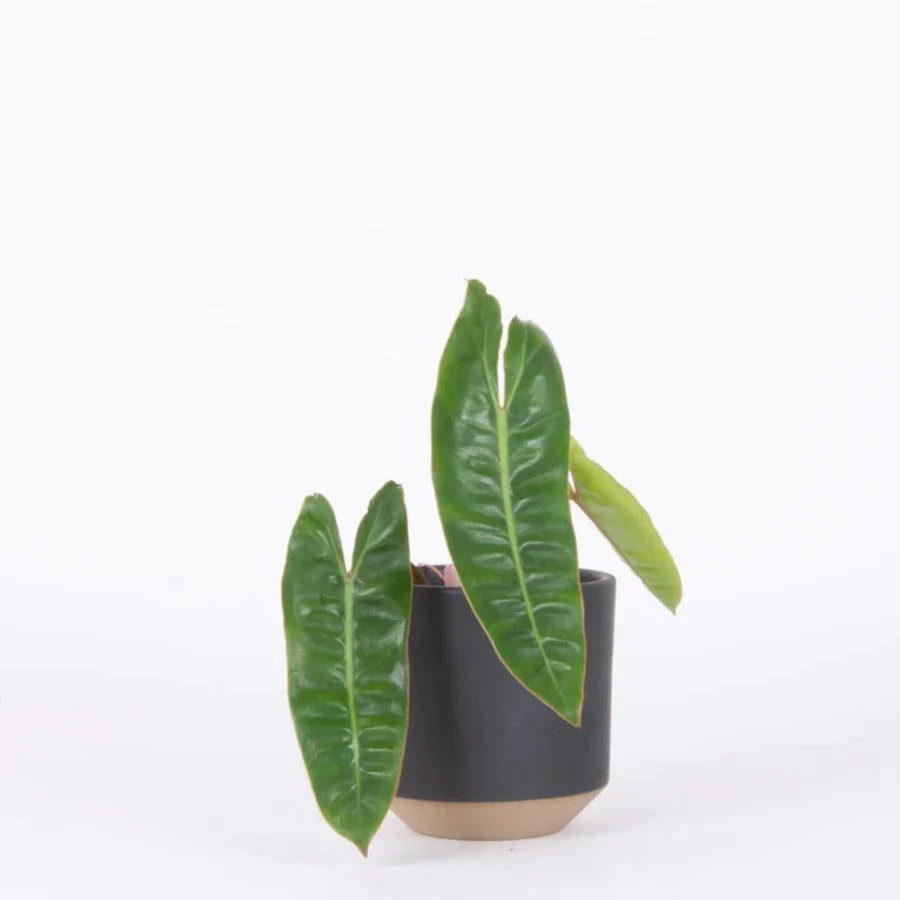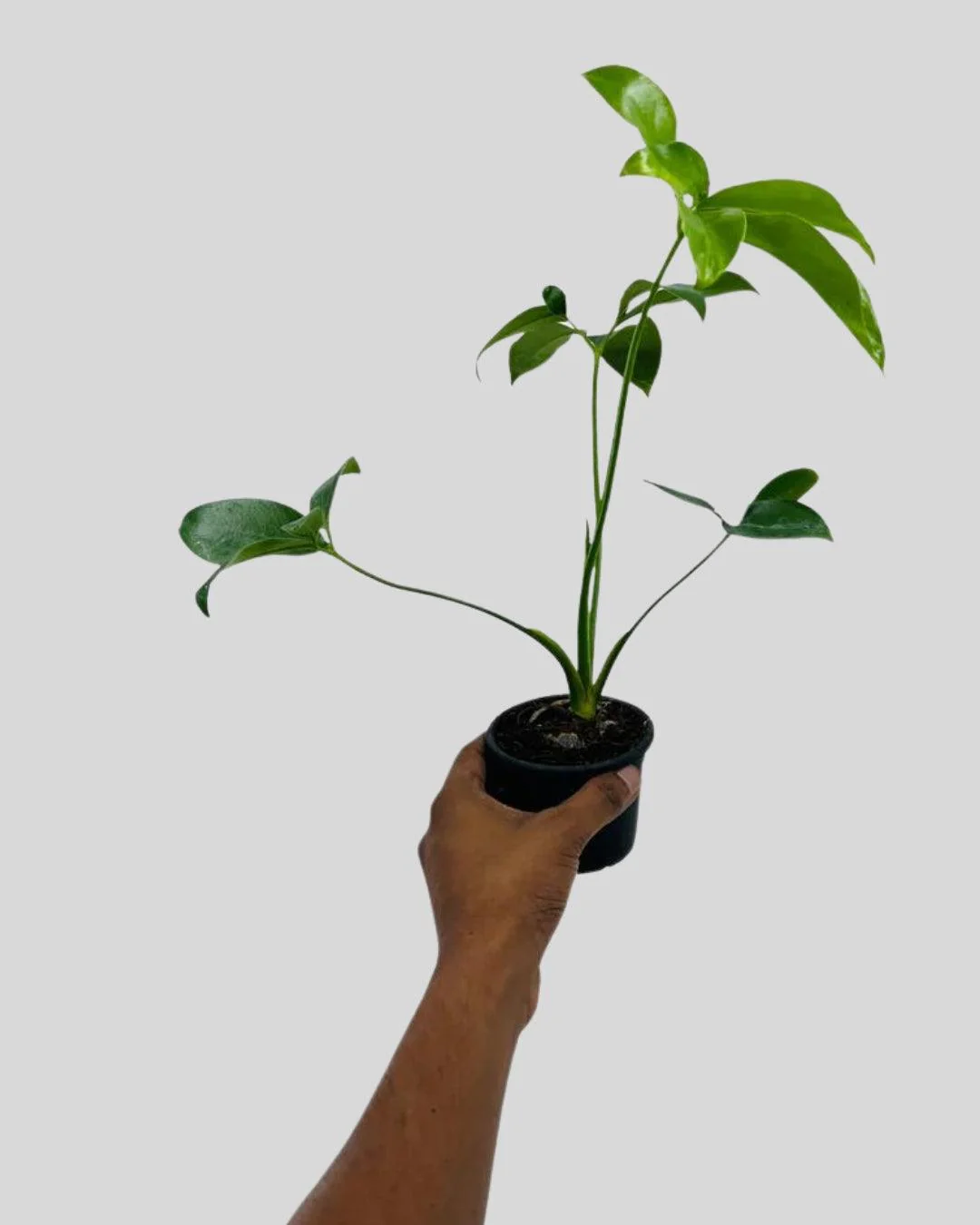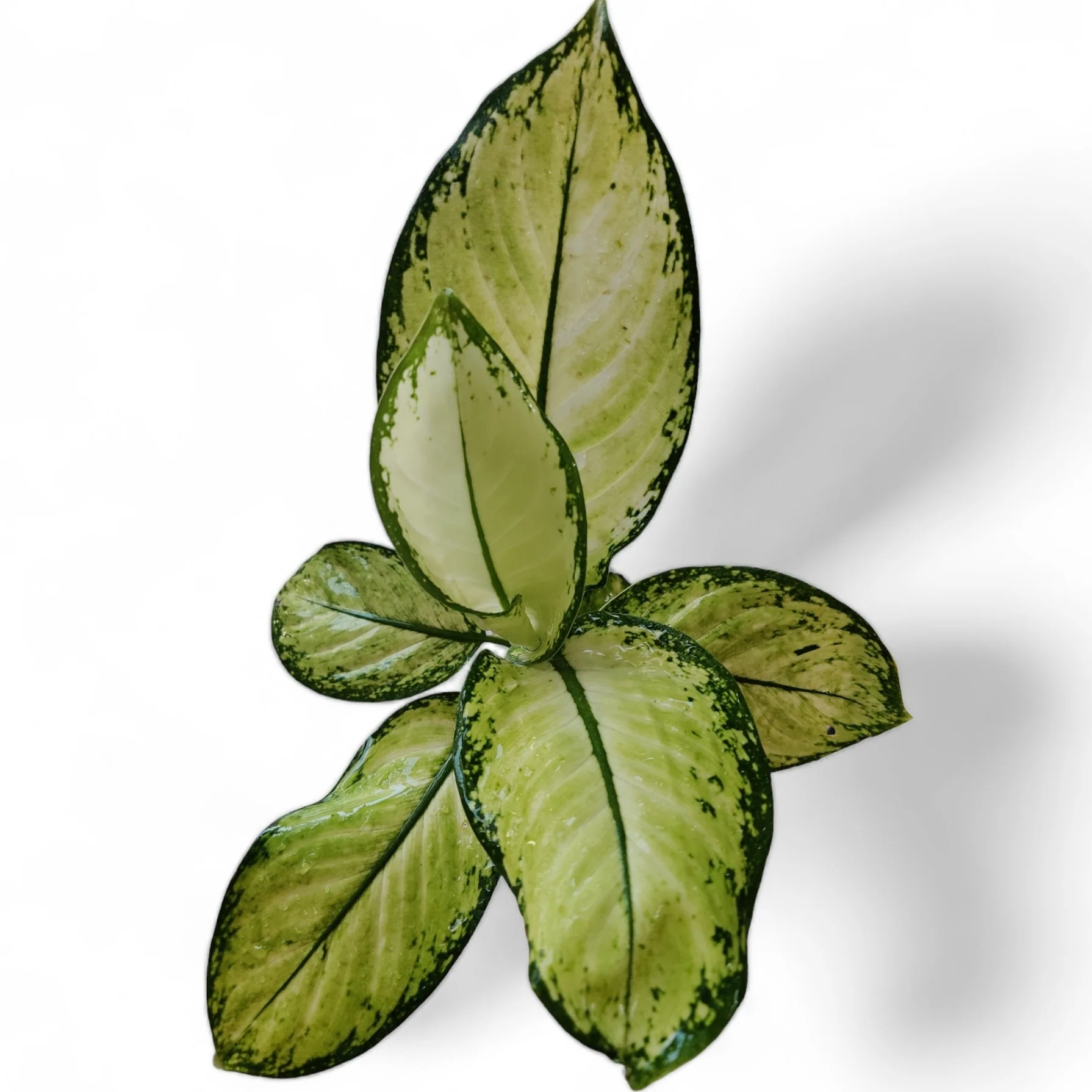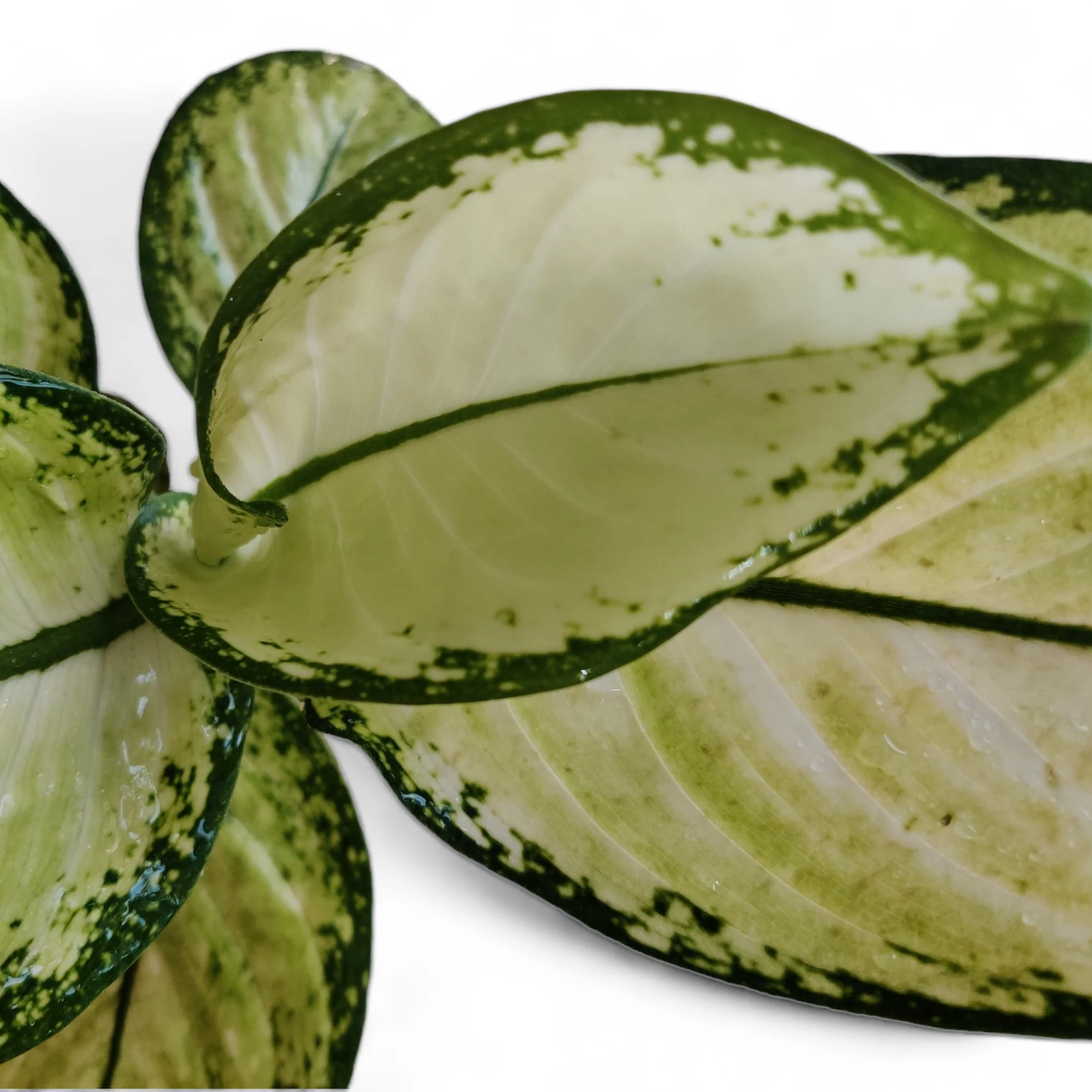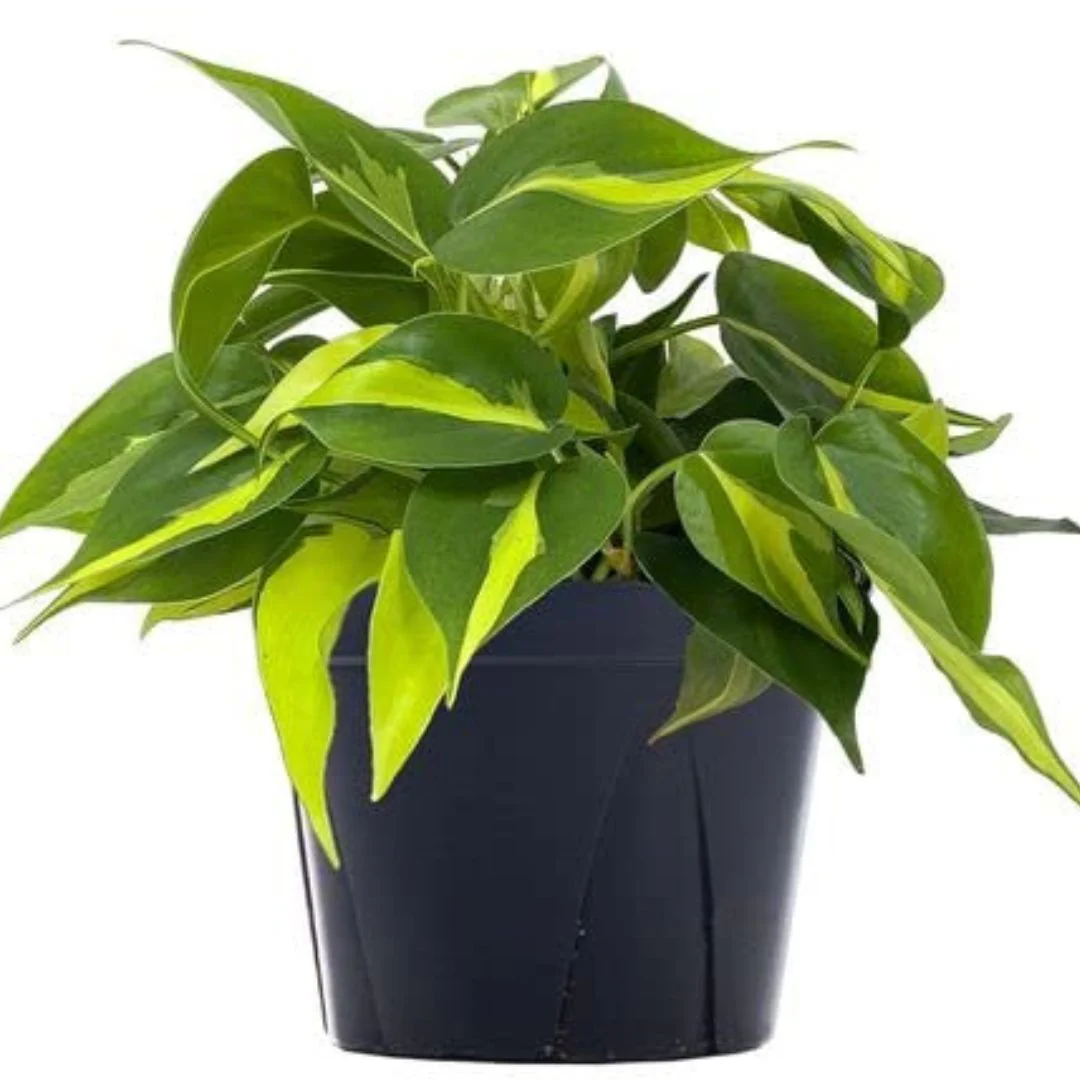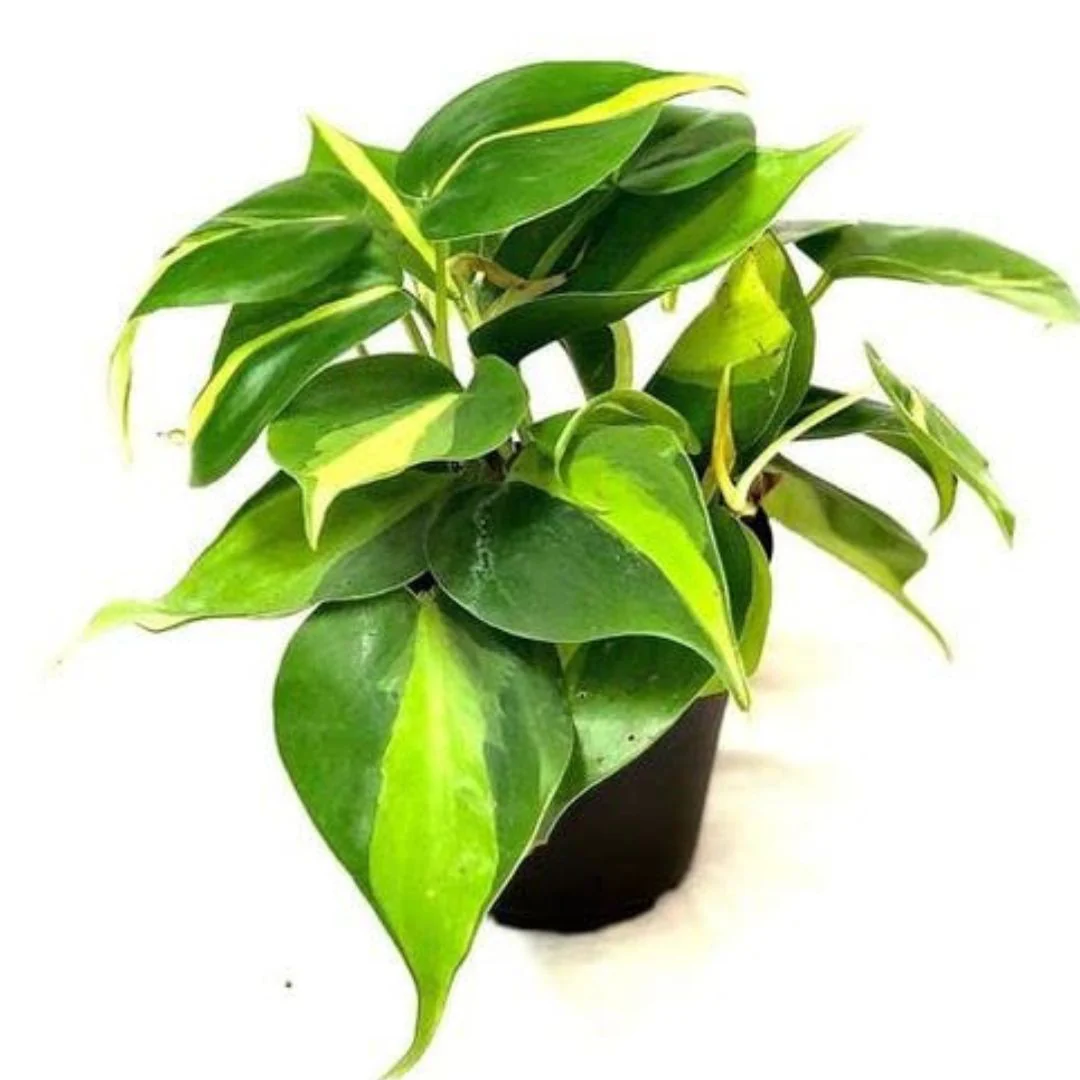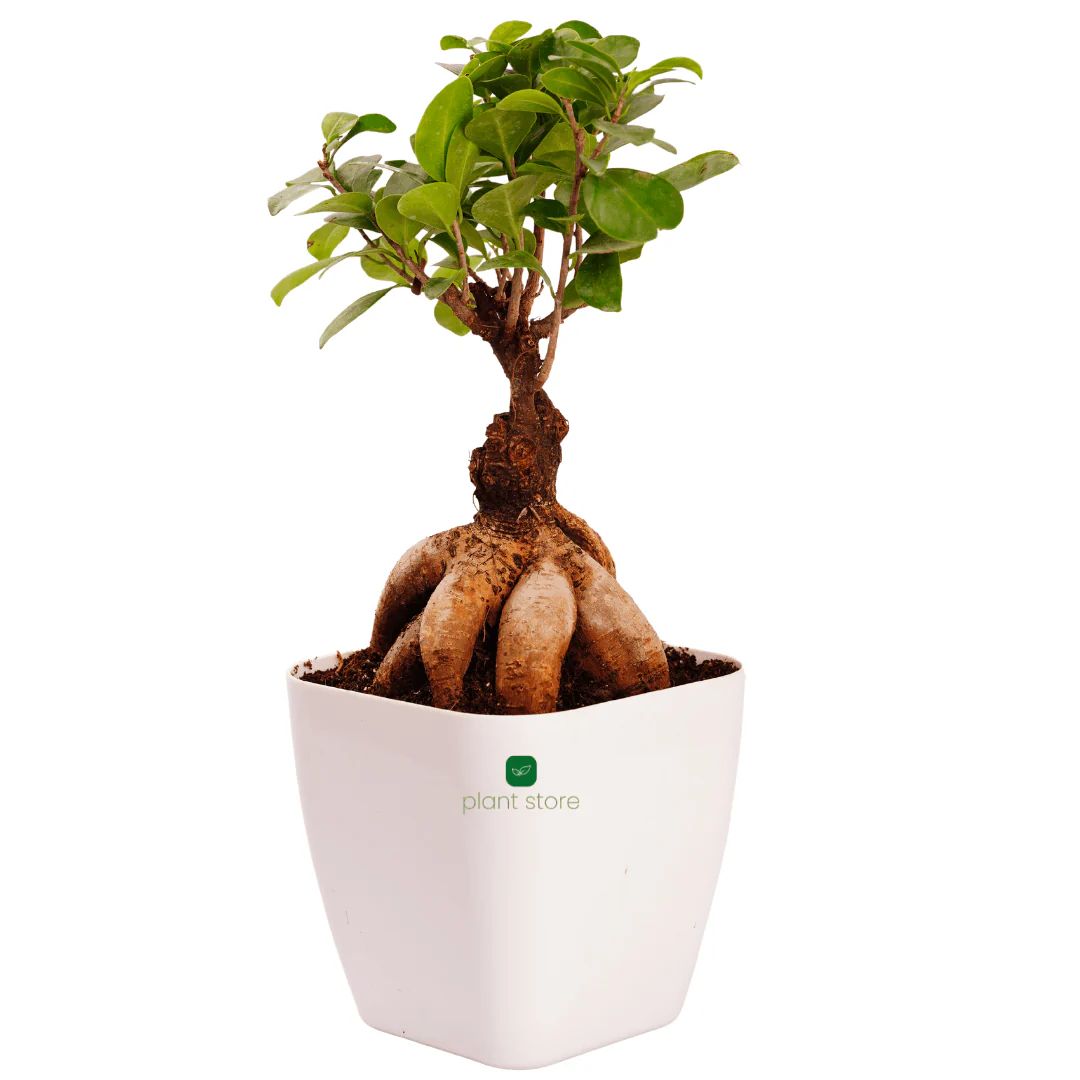
Ficus Ginseng Bonsai Plant
Why to Buy a Ficus Ginseng Bonsai Plant
-
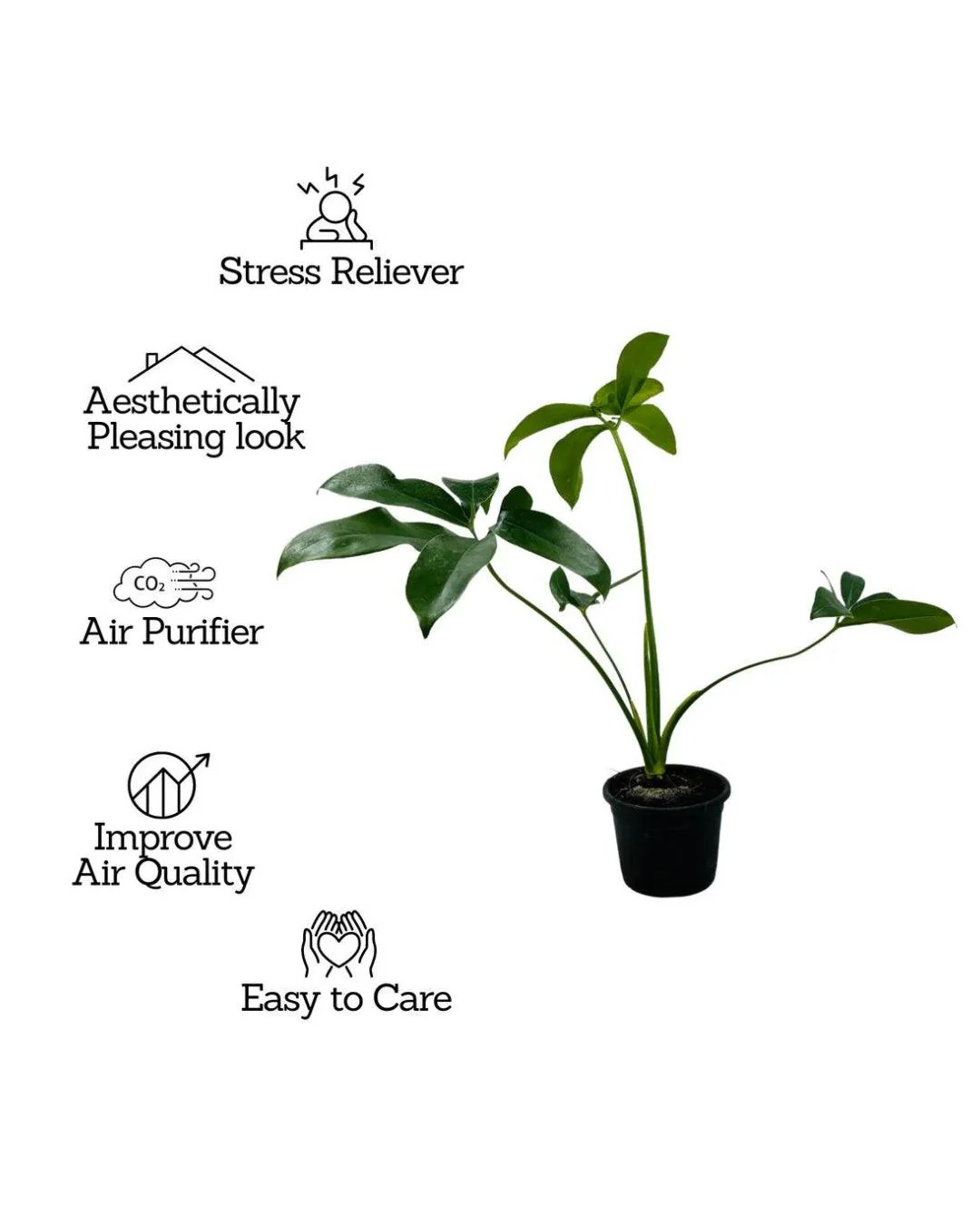
Aesthetic Appeal: The Ficus Ginseng Bonsai plant is a beautiful and striking addition to any home or office. Its unique root structure and dense foliage create an attractive and eye-catching display.
-
Air Purification: Like many houseplants, Ficus Ginseng helps improve indoor air quality by removing toxins and releasing oxygen, making your living space healthier.
-
Stress Relief: Caring for a bonsai can be a calming and meditative practice, helping to reduce stress and promote mental well-being.
-
Compact Size: The small size of the bonsai makes it perfect for apartments, desks, and other limited spaces where a larger plant might not fit.
-
Long-lasting: With proper care, a Ficus Ginseng Bonsai can live for many years, providing a lasting natural element to your environment.
Features of the Ficus Ginseng Bonsai Plant
-
Age: This particular Ficus Ginseng Bonsai is 7 years old, indicating a well-developed and mature plant.
-
Roots: The plant is known for its thick, gnarled roots that often resemble small, intertwined trunks. These roots are a signature feature and add to its aesthetic charm.
-
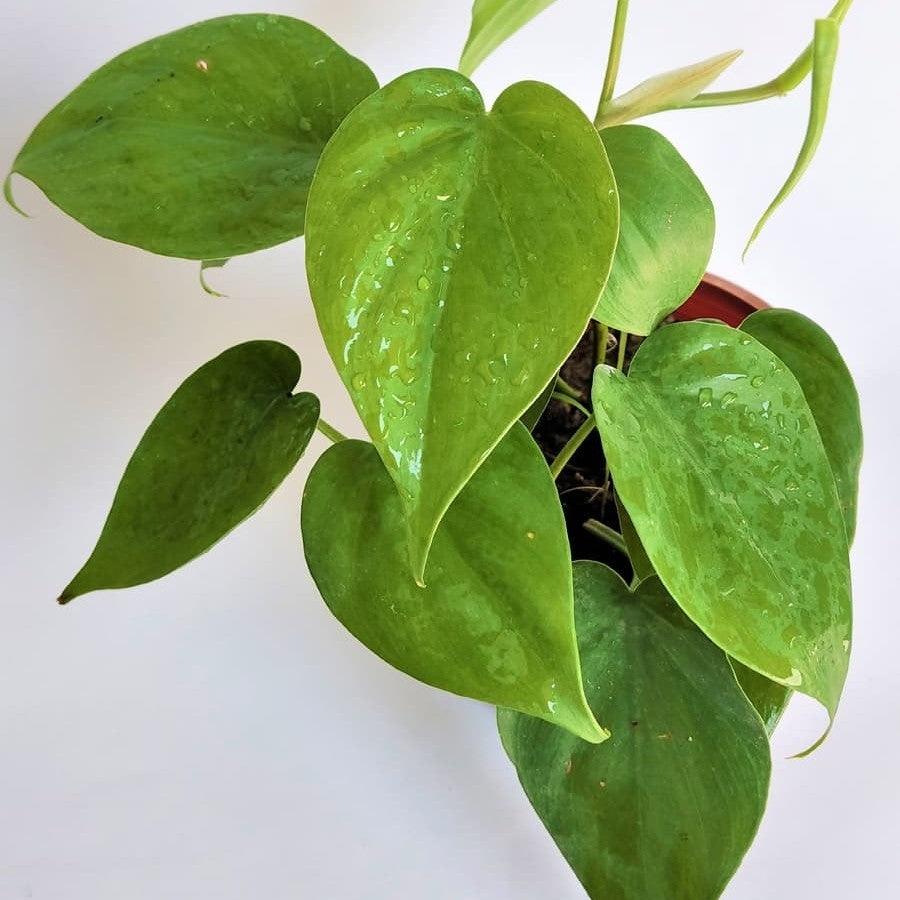
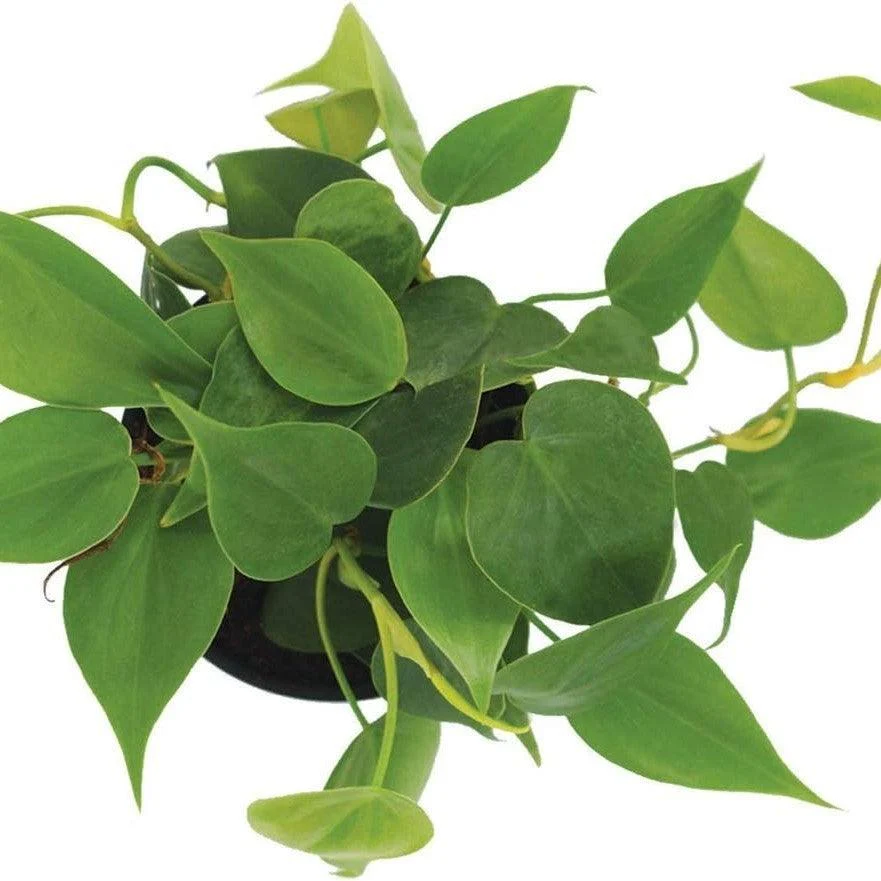
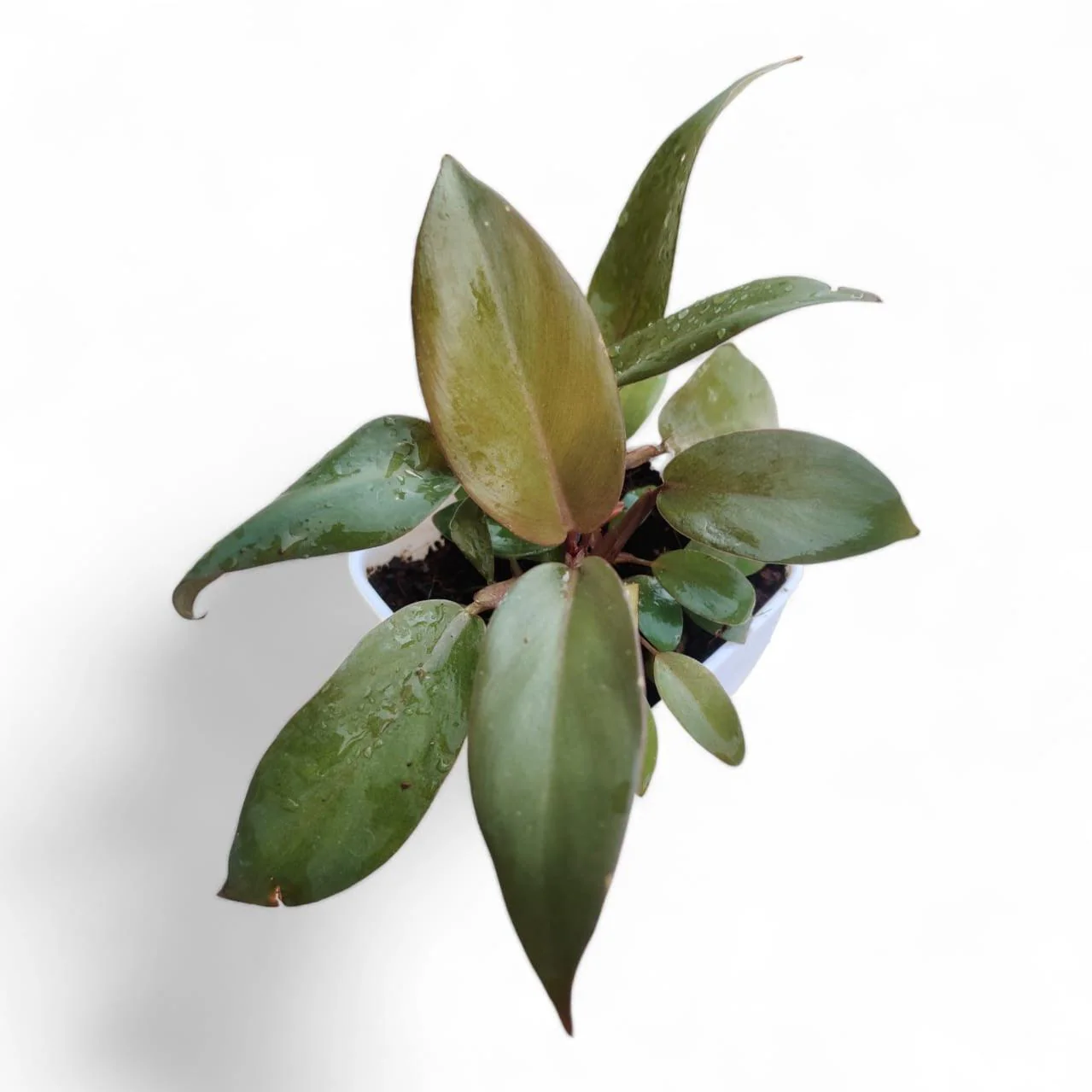
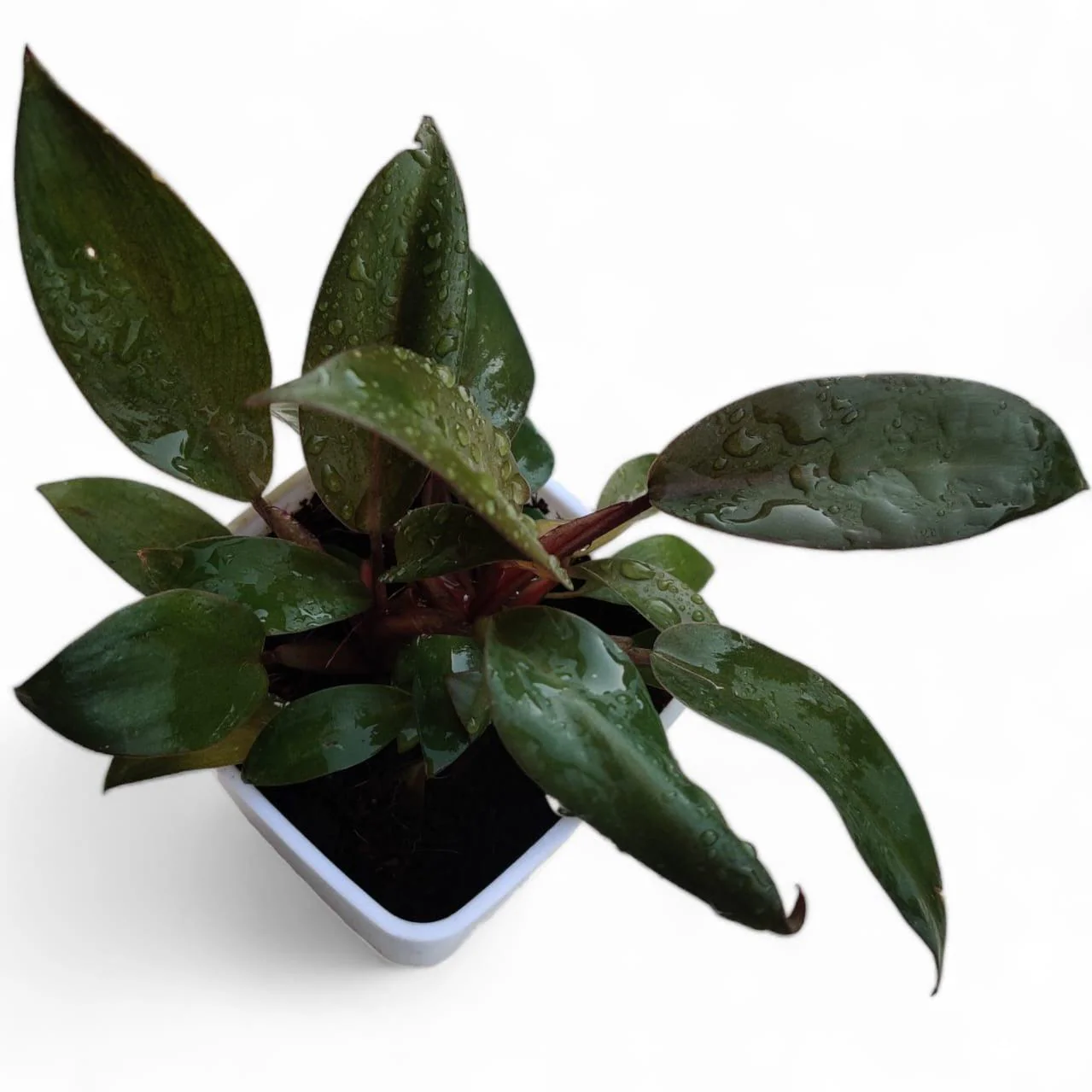
Foliage: It has dense, glossy, and oval-shaped leaves that are vibrant green. The foliage remains lush year-round, providing continuous greenery.
-
Size: Typically, a 7-year-old Ficus Ginseng Bonsai will be around 10-20 inches tall, though this can vary based on growing conditions and pruning.
-
Hardiness: Ficus Ginseng is a robust and resilient species, making it suitable for beginners. It can tolerate a range of indoor conditions, including varying light levels.
How to Care for a Ficus Ginseng Bonsai Plant
-
Watering:
- Water the plant thoroughly when the topsoil feels dry to the touch. Ensure good drainage to prevent root rot.
- Avoid letting the soil dry out completely, but also prevent it from becoming waterlogged.
-
Light:
- Place the bonsai in a bright location with indirect sunlight. It can tolerate low light but thrives best in bright, filtered light.
- Avoid direct, harsh sunlight which can scorch the leaves.
-
Temperature and Humidity:
- Keep the plant in a stable environment with temperatures between 60-75°F (15-24°C).
- It prefers moderate to high humidity. You can mist the leaves regularly or use a humidity tray.
-
Fertilizing:
- Feed the bonsai with a balanced liquid fertilizer every 2-4 weeks during the growing season (spring and summer). Reduce feeding in the fall and winter.
-
Pruning:
- Regular pruning is essential to maintain its shape and encourage dense foliage. Trim back new shoots to maintain the desired form.
- Remove any dead or yellowing leaves to keep the plant healthy.
-
Repotting:
- Repot the bonsai every 2-3 years to refresh the soil and provide room for root growth. The best time to repot is in early spring before new growth begins.
- Use well-draining bonsai soil, which can be a mix of organic matter and inorganic components like pumice or perlite.
-
Pests and Diseases:
- Keep an eye out for common pests such as aphids, spider mites, and scale. Treat infestations promptly with insecticidal soap or neem oil.
- Ensure good air circulation around the plant to prevent fungal issues and root rot.
By following these care guidelines, your Ficus Ginseng Bonsai plant will thrive and continue to be a beautiful, living piece of art in your space.
Original: $13.59
-65%$13.59
$4.76Product Information
Product Information
Shipping & Returns
Shipping & Returns
Description
Why to Buy a Ficus Ginseng Bonsai Plant
-
Aesthetic Appeal: The Ficus Ginseng Bonsai plant is a beautiful and striking addition to any home or office. Its unique root structure and dense foliage create an attractive and eye-catching display.
-
Air Purification: Like many houseplants, Ficus Ginseng helps improve indoor air quality by removing toxins and releasing oxygen, making your living space healthier.
-
Stress Relief: Caring for a bonsai can be a calming and meditative practice, helping to reduce stress and promote mental well-being.
-
Compact Size: The small size of the bonsai makes it perfect for apartments, desks, and other limited spaces where a larger plant might not fit.
-
Long-lasting: With proper care, a Ficus Ginseng Bonsai can live for many years, providing a lasting natural element to your environment.
Features of the Ficus Ginseng Bonsai Plant
-
Age: This particular Ficus Ginseng Bonsai is 7 years old, indicating a well-developed and mature plant.
-
Roots: The plant is known for its thick, gnarled roots that often resemble small, intertwined trunks. These roots are a signature feature and add to its aesthetic charm.
-
Foliage: It has dense, glossy, and oval-shaped leaves that are vibrant green. The foliage remains lush year-round, providing continuous greenery.
-
Size: Typically, a 7-year-old Ficus Ginseng Bonsai will be around 10-20 inches tall, though this can vary based on growing conditions and pruning.
-
Hardiness: Ficus Ginseng is a robust and resilient species, making it suitable for beginners. It can tolerate a range of indoor conditions, including varying light levels.
How to Care for a Ficus Ginseng Bonsai Plant
-
Watering:
- Water the plant thoroughly when the topsoil feels dry to the touch. Ensure good drainage to prevent root rot.
- Avoid letting the soil dry out completely, but also prevent it from becoming waterlogged.
-
Light:
- Place the bonsai in a bright location with indirect sunlight. It can tolerate low light but thrives best in bright, filtered light.
- Avoid direct, harsh sunlight which can scorch the leaves.
-
Temperature and Humidity:
- Keep the plant in a stable environment with temperatures between 60-75°F (15-24°C).
- It prefers moderate to high humidity. You can mist the leaves regularly or use a humidity tray.
-
Fertilizing:
- Feed the bonsai with a balanced liquid fertilizer every 2-4 weeks during the growing season (spring and summer). Reduce feeding in the fall and winter.
-
Pruning:
- Regular pruning is essential to maintain its shape and encourage dense foliage. Trim back new shoots to maintain the desired form.
- Remove any dead or yellowing leaves to keep the plant healthy.
-
Repotting:
- Repot the bonsai every 2-3 years to refresh the soil and provide room for root growth. The best time to repot is in early spring before new growth begins.
- Use well-draining bonsai soil, which can be a mix of organic matter and inorganic components like pumice or perlite.
-
Pests and Diseases:
- Keep an eye out for common pests such as aphids, spider mites, and scale. Treat infestations promptly with insecticidal soap or neem oil.
- Ensure good air circulation around the plant to prevent fungal issues and root rot.
By following these care guidelines, your Ficus Ginseng Bonsai plant will thrive and continue to be a beautiful, living piece of art in your space.